
How to handle kids is a question every parent asks at some point, especially when emotions run high and patience runs low. From curious questions to sudden mood swings, each stage presents its own unique challenges.
If you’ve ever wondered whether you are responding the right way, you are not alone. Today’s blog shares 10 proven methods for parents to help you understand behaviour, foster trust, and guide kids with assurance, composure, and consistency — one mindful moment at a time.
Understanding Child Behaviour Before Taking Action
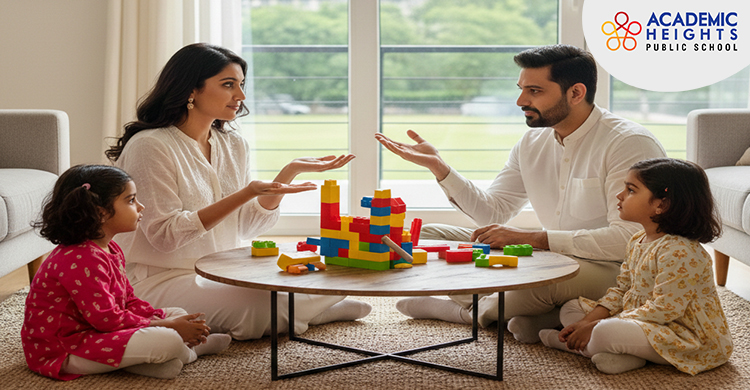
Before reacting, pause to understandisciplined behaviour and emotions, because how to discipline children effectively starts with empathy before action.
Why Kids Act the Way They Do
Children don’t misbehave without reason; it reflects their feelings, unfulfilled wants, and growing skills. Knowing the reasons behind your child’s behaviour enables you to react wisely.
You make room for learning, connection, and constructive guidance when you take the time to analyse behaviour rather than responding right away.
Age-Based Emotional and Cognitive Development
Recognising how emotional and cognitive capacities change with age is essential to understanding child behaviour.
How to handle kids effectively depends on knowing when children act emotionally and when they can reason logically. Age-appropriate responses help you guide behaviour thoughtfully, minimise conflict, and promote healthy development before action.
The Role of Environment and Parenting Style
Acknowledging the influence of parenting style and environment is an essential step towards understanding child behaviour. Children’s reactions are influenced by routines, daily environments, emotional stability, and adult reactions.
Before taking action, observe these influences — because behaviour often reflects learned patterns, not defiance, and mindful parenting can positively reshape those patterns.
How to Handle Kids- 10 Helpful Ways for You
Looking for practical guidance? Explore 10 proven methods for parents! These strategies help you respond thoughtfully, build trust, and guide children with patience, confidence, and consistency every day.
1. Build a Strong Emotional Connection First
Developing a deep emotional bond with your child is more effective than immediate corrections. Simple daily habits like dedicated 1-on-1 time, shared activities, or short heart-to-heart chats create trust.
Hugs, compliments, and quick acts of kindness are examples of small gestures that demonstrate love and encourage positive behaviour, transforming everyday moments into opportunities to strengthen bonds and guide children effectively.
2. Praise Effort and Good Behaviour – Not Just Results
Rewarding hard work and good behaviour is more beneficial in positive parenting than concentrating only on results. Learning is reinforced by specific, sincere compliments like “You worked hard on that project” or “I appreciate how patiently you shared.”
While punishment may instill fear, rewards foster motivation. They help your child develop long-term positive habits, showing that compassion and effort matter more than outcomes.
3. Set Clear, Consistent Boundaries and Limits
Set clear, consistent boundaries and limits by creating age-appropriate rules that children can understand. Always explain why the rules are in place, assisting them in understanding the rationale behind each expectation.
In order to teach kids self-discipline, respect, and safety in a caring and supportive environment, you must be stern but also calm, compassionate, consistent, and empathetic.
4. Use Positive Discipline Instead of Punishment
To guide kids carefully, use good discipline rather than punishment. Discipline helps your child understand the results of their actions through natural and logical consequences, whereas punishment emphasises control or fear.
Redirect behaviour towards positive decisions rather than yelling. This promotes accountability and self-control.
Such an approach fosters learning, strengthens trust, and promotes long-term positive behaviour, allowing children to grow with confidence, understanding, and respect.
5. Establish Predictable Routines and Structure
Want to make your days smoother with your child? Establish predictable routines for important time frames, such as morning, mealtimes, and bedtime. When expectations are explicit, you will see fewer tantrums and power battles.
Involve your child in creating these routines; it gives them a sense of control and responsibility. With the support of such parenting tips for children, you can effectively manage your child while fostering independence, teamwork, and a peaceful, organised home.
6. Model the Behaviour You Want to See
Children pick up more insights from your actions than your words. By managing your own stress and emotions, you show them how to handle challenges calmly.
During conflicts, remaining composed and thoughtful sets a powerful example, teaching kids that patience, empathy, and self-control matter.
Modelling the behaviour you want helps children internalise positive habits, making them more likely to mirror calm, respectful, and mindful actions in their own daily interactions.
7. Teach Emotional Regulation Skills
Encouraging your child to identify and communicate their emotions will help them regulate their emotions. Together, try some basic relaxation methods like mindfulness or deep breathing.
Give them minor obstacles to overcome and acknowledge their efforts to develop resilience. By practicing these steps, you will guide your child and yourself toward greater confidence, patience, and emotional regulation every day.
8. Give Age-Appropriate Choices and Independence
To reduce disobedience, parenting tips also involve providing kids with age-appropriate options. When options are limited, they feel guided rather than under pressure.
For school-age kids, let them choose homework order, and preteens might select weekend activities. This increases accountability without overburdening them.
By offering small and meaningful choices, you encourage independence, helping you guide behaviour thoughtfully, foster confidence, and make daily interactions smoother and more cooperative.
9. Use Calm, Effective Consequences When Needed
When necessary, give kids time to think things through and use gentle, effective outcomes. Consider using think time-outs or positive time-outs, such as calm-down corners.
You can also take away privileges thoughtfully, explaining why. It’s important to regularly follow through to help your child understand expectations.
By being composed and consistent, you teach your child self-control and responsibility, transforming difficult situations into chances for growth, learning, and increased mutual trust.
10. Spend Quality One-on-One Time Every Day
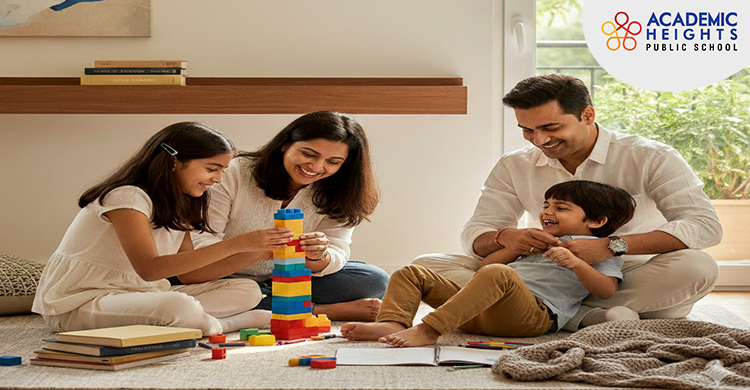
Just ten to fifteen minutes a day of one-on-one time with your child can have a significant impact. You can enjoy a screen-free walk, read together, or play a quick game.
These brief, dedicated moments improve your relationship with your child, make them feel appreciated and understood, and often resolve behavioural problems before they even start.
Make it a daily routine, and you will see how your connection develops!
Common Mistakes Parents Make While Handling Kids
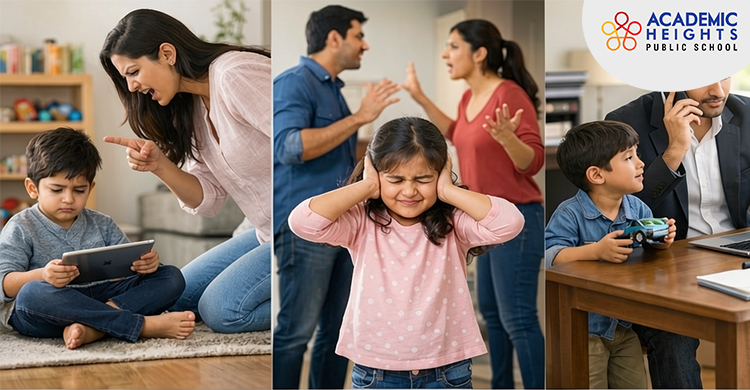
Even when you are learning how to handle kids, it’s easy to make common mistakes. Being aware of these early missteps helps you guide children more thoughtfully and effectively.
Inconsistent Discipline
When your rules and consequences keep changing, children get confused — and so can you! Inconsistency makes it hard for them to understand expectations, often leading to frustration, testing limits, and repeated misbehaviour. Staying consistent helps prevent confusion and tension.
Unrealistic Expectations
Expecting your child to always get things right or achieve more than they can handle can create pressure and frustration. When standards are too high, children may feel constant stress, guilt, or disappointment — and you might notice frequent tension and conflict at home.
Ignoring Emotional Needs
Overlooking your child’s feelings or brushing them off can lead to confusion and frustration. When emotional needs are ignored, children may act out, withdraw, or struggle to express themselves, making communication and connection more challenging for both of you.
Overusing Screens as a Distraction
Relying too much on screens to keep your child busy can create problems. Excessive screen use may lead to restlessness, short attention spans, or misbehaviour, making it harder for you to manage their behaviour and maintain meaningful interaction.
How Schools and Parents Can Work Together
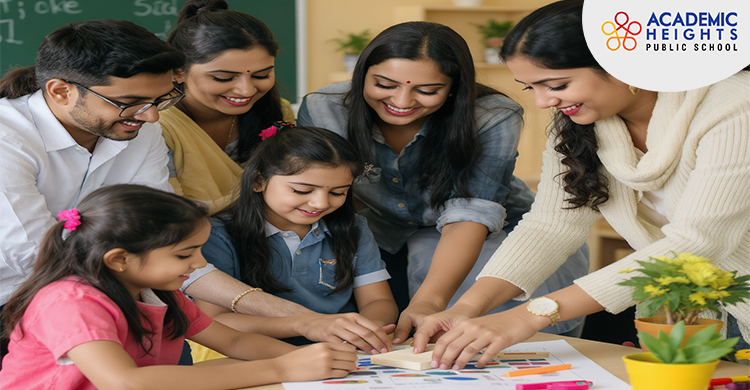
Strong collaboration between schools and parents shows how to handle kids effectively through consistency, understanding, and shared responsibility.
Maintaining Regular Communication with Teachers
Staying in touch with your child’s teachers helps you understand what’s really happening in school. When you frequently communicate, provide updates, and listen, you can promote learning better, address issues early, and make sure your child feels consistently guided both at home and in the classroom.
Supporting Positive Behaviour at Home and School
Setting the same standards at home and at school is the most effective way to encourage positive behaviour. Children feel safe when you interact with them, support their efforts, and react calmly. Your participation, checking in, listening, and rewarding positive behaviours, helps them maintain their confidence, responsibility, and motivation in both environments.
Creating a Safe and Supportive Environment
The first step in how to handle kids is to provide a safe and supportive environment where you can listen, mentor, and reassure. Your child will respond calmly, open up more, and trust your advice when they feel safe. Challenges are made easier by simple routines, clear boundaries, and your emotional warmth.
Conclusion:-
These parenting tips for children are designed to help you navigate everyday challenges with confidence and care. By understanding behaviour, setting clear boundaries, spending quality time, and creating a supportive environment, you can guide your child thoughtfully.
Remember: patience, consistency, and empathy go a long way. Apply these tips regularly, and you will see stronger bonds, better behaviour, and a happier, more confident child.
Discover more in The Power Of Positive Parenting: Practical Tips For Parents and transform your daily parenting approach today!