
Nurturing emotional intelligence is important for building well-rounded, compassionate individuals who can confidently and compassionately navigate life’s obstacles. In addition to academics, it imparts social skills, empathy, and self-awareness that help students become self-assured and caring. Developing emotional intelligence in high school promotes improved decision-making, collaboration, and communication. This blog examines the ways in which educators, parents, and schools can collaborate to foster an atmosphere that supports emotional development and prepares students to be ready for life after school.
What Is Emotional Intelligence?

Emotional intelligence refers to the capacity to identify, understand, and manage one’s own emotions while being sensitive to others’ feelings. It includes social skills, motivation, empathy, and self-awareness. These qualities enable individuals to form meaningful relationships with others and make thoughtful decisions. By cultivating emotional intelligence, students can overcome obstacles and succeed both academically and personally.
Key Components of Emotional Intelligence
This section will examine the key components of emotional intelligence that support self-awareness, effective emotion management. It will also explore motivation, empathy, and the development of positive interpersonal relationships.
1. Self-Awareness: It refers to the capacity to identify and understand one’s own feelings, ideas, and actions. It forms the basis of emotional intelligence by helping students recognise their strengths and weaknesses, make wise decisions, and respond thoughtfully in various contexts.
2. Self-Management: One essential element of emotional intelligence is self-management, which includes discipline, focus, flexibility, and control over impulses. It supports students in making thoughtful rather than emotional responses, fostering personal development and wise decision-making.
3. Social Awareness: The capacity to recognise and understand the needs, feelings, and perspectives of others is known as social awareness, and it is a crucial component of emotional intelligence. In both daily and academic life, it helps students to empathise, engage thoughtfully, and develop wholesome, courteous relationships.
4. Relationship Skills: Relationship skills, which are an essential part of emotional intelligence, include conflict resolution, active listening, empathy, and effective communication. These abilities support students in establishing solid and constructive bonds, working effectively with others, and encouraging personal and professional relationships.
5. Motivation: It is a vital element of emotional intelligence that encourages students to stay focused, overcome challenges, and pursue goals. It nurtures endurance, encourages self-improvement, and supports overall personal growth and achievement.
The Importance of Emotional Intelligence in Students
This section will explore the value of emotional intelligence and illustrate how it affects students’ interactions. It shapes their personalities, and subtly drives success in the classroom and beyond.
1. Enhances Academic Performance: By guiding students in managing stress, maintaining motivation, and staying focused, emotional intelligence plays a critical role in improving academic performance. It enhances focus, judgment, and problem-solving abilities, empowering students to tackle obstacles with efficiency and attain the best academic outcomes.
2. Builds Strong Interpersonal Relationships: Developing solid interpersonal relationships is a clear indication of how important emotional intelligence is for students. Students who comprehend and control their emotions are better able to interact with peers, teachers, and others in their immediate environment. They can communicate clearly, demonstrate empathy, and settle disputes.
3. Develops Resilience and Mental Strength: For students to develop resilience and mental toughness, emotional intelligence is essential. It helps them to effectively control their emotions, get past barriers, recover from failures, and face challenges in their personal and academic lives with control and confidence.
4. Encourages Responsible Decision-Making: Students’ emotional intelligence is crucial for encouraging responsible decision-making. They can make thoughtful decisions, manage outcomes sensibly, and develop accountability by acknowledging their own feelings and having empathy for others. This promotes personal growth and healthy relationships.
The Role of Schools in Developing Emotional Intelligence
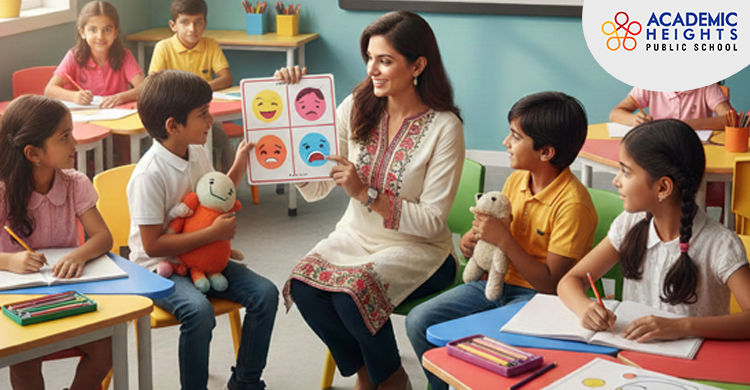
This section will examine how schools support the development of emotional intelligence skills, emphasising their function in fostering students’ social skills, empathy, and self-awareness for overall development.
1. Encouraging Expressive Communication: Through promoting expressive communication, schools play a crucial role in the development of emotional intelligence. Schools support students’ development of self-confidence, effective emotional expression, and understanding by giving them the chance to freely express their thoughts and feelings. This promotes social connections and personal growth.
2. Teaching Empathy Through Group Work: Through group projects that teach empathy, schools can play a significant role in helping students develop emotional intelligence. Through effective communication, understanding others’ viewpoints, and establishing solid bonds, collaborative activities help students develop empathy and cooperation. These experiences also build the social awareness necessary for both academic and personal development.
3. Integrating Mindfulness and Reflection Activities: Through the integration of mindfulness and reflection exercises, schools can play a significant role in the development of emotional intelligence. These exercises promote self-awareness, effective emotion management, focus, and empathy in students, which in turn promotes thoughtful decision-making and comprehensive development.
4. Providing Guidance and Mentorship: Schools are essential for fostering emotional intelligence because they offer direction and mentoring. Students receive guidance, inspiration, and feedback from caring educators and counsellors, which aids in their understanding of emotions, decision-making, and the development of strong interpersonal and self-management skills.
How Parents Can Support Emotional Intelligence at Home
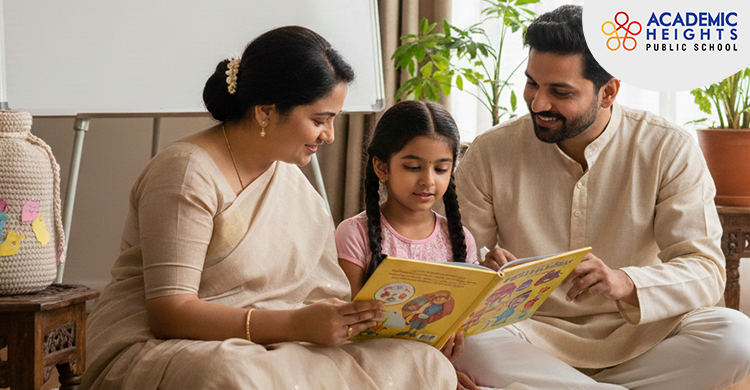
This section will examine how the power of parenting can help their children develop emotional intelligence at home by providing them with direction and encouragement that fosters their emotional development, empathy, and social skills.
1. Listen Actively: By actively listening, parents can foster emotional intelligence in their children. By paying close attention, acknowledging their feelings, and responding thoughtfully, parents help children express emotions, develop empathy, and build confidence. This approach enhances their communication skills and supports their overall emotional development.
2. Teach Emotional Vocabulary: Teaching emotional vocabulary is one way that parents can foster emotional intelligence in their children. Children can better navigate emotions and forge stronger bonds when they are assisted in recognising and expressing their emotions with the appropriate words. This helps them become more self-aware, communicate better, and develop empathy.
3. Promote Problem-Solving: By encouraging problem-solving, parents can encourage emotional intelligence in their children. Children who are nurtured to think critically, investigate solutions, and consider results are better able to handle difficulties on their own, gain confidence, and acquire critical coping and decision-making abilities that support emotional development in general.
4. Appreciate Efforts, Not Just Results: By valuing their child’s efforts rather than just their accomplishments, parents can foster emotional intelligence in their children at home. Acknowledging diligence and determination promotes resilience, self-assurance, and a growth mindset in children, as well as a positive attitude toward both academic and personal development.
Strategies to Develop Emotional Intelligence in Children
This section will discuss strategies for developing emotional intelligence in children, emphasising how to foster social skills, empathy, and self-awareness for their overall emotional and personal development.
1. Encourage Self-Awareness: Promoting self-awareness is a crucial tactic in helping children grow emotionally intelligent. Parents and teachers can help them develop better emotional regulation and personal development. They do this by assisting them in recognising and expressing their feelings, thinking back on their behaviour, and realising their strengths and shortcomings.
2. Teach Controlled Expression of Emotions: Building emotional intelligence in children requires teaching them how to express their feelings in a controlled way. Parents and educators help children develop self-regulation, empathy, and communication skills by teaching them how to express their emotions calmly and appropriately. This promotes healthier relationships and emotional balance in daily life.
3. Promote Empathy: One of the most important methods for helping children develop emotional intelligence is encouraging empathy. When they are guided to listen intently, comprehend the feelings of others, and react politely, they are better equipped to improve social interactions. This helps them build meaningful and respectful relationships.
4. Model Positive Communication: Positive communication modelling is the first step in helping children develop emotional intelligence. When adults listen intently, show respect for others’ opinions, and resolve conflicts amicably, children acquire empathy, patience, and understanding. These skills are essential for abilities that support effective communication and the development of solid and respectful relationships with others.
5. Create Opportunities for Social Interaction: A key technique for helping children develop emotional intelligence is to provide them with opportunities for social interaction. They can develop strong interpersonal and emotional skills, practice empathy, communicate clearly, and comprehend others’ viewpoints. This happens when they participate in group activities, cooperative projects, and peer discussions.
Conclusion:-
Nurturing emotional intelligence is crucial to assisting students in developing into self-aware, socially conscious, and sympathetic individuals. Schools and parents both play a critical role in helping children develop skills like self-control, motivation, and effective communication. By fostering these skills, children can overcome obstacles, form meaningful connections. This helps them succeed both academically and personally, setting the groundwork for long-term development. To learn more, visit us at https://www.academicheights.in/