
Parent-teacher meetings (PTMs) are essential for fostering a student’s development both personally and academically. They provide a forum for parents and teachers to work together, talk about advancements, and pinpoint areas in need of development. Both sides can have a deeper understanding of a student’s learning styles, difficulties, and strengths through open communication. These meetings ensure that every student receives the support needed for holistic development, provide consistent guidance, and build mutual trust.
Why Parent-Teacher Meetings Matter?
The importance of parent-teacher meetings lies in their ability to bridge the gap between home and school. These meetings help parents stay up to date on their child’s conduct, social skills, and academic development. In turn, teachers gather important details about the child’s upbringing and educational setting. Frequent communication fosters teamwork, strengthens the bonds, and ensures a coordinated effort for the general success and welfare of the student.
Benefits of Regular Parent-Teacher Meetings
The benefits of PTM are wide-ranging and contribute significantly to a student’s overall development. This section will examine how holding regular meetings fosters teamwork, improves communication, and promotes ongoing student development.
1. Strengthened Home-School Connection: By promoting regular contact and cooperation, Parent-Teacher Meetings improve the relationship between the home and the school. They assist parents in maintaining their involvement in their child’s education, coordinating home assistance with school objectives, and developing a cohesive strategy for the child’s intellectual and emotional development.
2. Early Identification of Challenges: Frequent parent-teacher meetings are essential for spotting behavioural, social, or academic difficulties early on. In order to ensure that students receive the support they require for ongoing development and achievement. Parents and teachers should swiftly communicate observations and concerns in order to apply timely tactics and interventions.
3. Improved Academic Performance: Regular parent-teacher meetings improve academic achievement by spotting learning gaps early, offering tailored advice, and promoting steady support at home. When parents and educators work together, they can effectively monitor students’ progress. They can also inspire them and create an environment that supports better academic performance.
4. Boosted Student Confidence: By praising achievements, addressing difficulties early, and offering helpful feedback, frequent parent-teacher meetings help students feel more confident. When educators and parents work together, students experience motivation, support, and value, which cultivates a positive outlook that promotes engagement and lifelong learning.
5. Emotional and Social Development: Frequent parent-teacher meetings improve emotional and social development by promoting mutual understanding between parents and educators, addressing behavioral concerns early, and helping students build good relationships, empathy, self-assurance, and effective communication skills.
Importance of Parent-Teacher Meetings for Student Growth
The PTM for students plays a key role in supporting overall development. This section will explain how these meetings help track development, resolve issues, and promote learning and skill development.
1. Builds a Powerful Collaboration Between Parents and Teachers: Frequent parent-teacher meetings strengthen the bond between parents and educators and promote shared accountability for a student’s development. Effective communication, understanding, and coordinated support are made possible by this collaboration, ensuring that students receive constant direction and support for their academic and personal growth.
2. Provides a Complete Perspective on Student Progress: By merging the perspectives of parents and teachers, parent-teacher meetings offer a comprehensive view of students’ development. They provide effective support for overall growth by highlighting academic accomplishments, identifying learning gaps, and offering a comprehensive picture of strengths and areas for improvement.
3. Detects and Resolves Learning Difficulties: Parent-teacher meetings give teachers and parents a forum to talk about issues, which aids in the early detection and resolution of learning concerns. Through prompt interventions, individualised support, and academic obstacle-addressing tactics made possible by this collaboration, students can overcome difficulties and realise their full learning potential.
4. Promotes Active Parent Participation: By involving parents in their child’s educational journey, regular parent-teacher meetings encourage active parental participation. These meetings strengthen the bond between the parents and the school by empowering parents to support learning at home, encouraging collaboration, and assisting them in understanding academic goals.
5. Nurtures a Positive and Supportive Learning Environment: By fostering cooperation and trust between parents and teachers, regular parent-teacher meetings contribute to the development of a positive and supportive learning environment. They ensure constant direction, inspire students, and establish a harmonious environment. That promotes learning, self-assurance, and general intellectual and emotional development.
Key Objectives of Parent-Teacher Meetings
- In order to keep students on the correct track, parent-teacher meetings assist in monitoring their behavior, academic achievement, and general development.
- By encouraging parents and teachers to communicate clearly and consistently, these meetings help to better understand the needs and development of the students.
- PTMs make it possible to identify behavioral or academic problems early on, allowing for prompt intervention and individualised student support.
- By encouraging parental involvement in their child’s educational process, they strengthen parental support and guidance at home.
- PTMs foster a holistic and supportive learning environment while assisting students in their academic, social, and emotional development.
How Schools Can Make Parent-Teacher Meetings More Effective
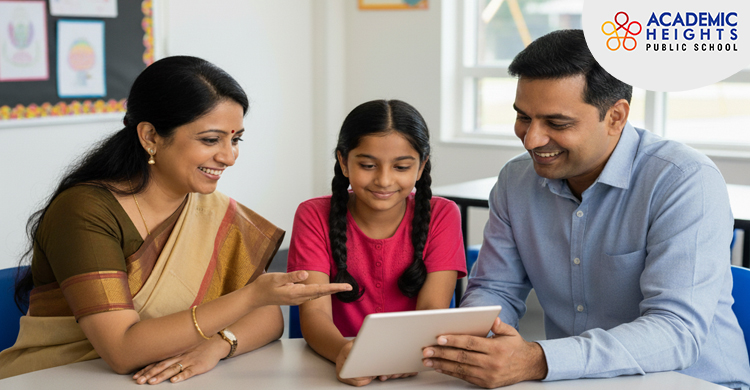
School communication with parents can be enhanced to make parent-teacher meetings more effective. This section will explore methods for enhancing cooperation, clarity, and engagement.
1. Create an Open and Respectful Communication Space: By establishing a courteous and open communication environment where parents feel heard, teachers offer helpful feedback, and both parties work together constructively, schools can increase the effectiveness of parent-teacher meetings. This method ensures a supportive atmosphere for the student’s development, builds trust, and promotes open communication.
2. Use Data and Examples During Feedback: By providing data and examples during feedback, schools can increase the effectiveness of parent-teacher meetings. Sharing specific academic records, assignments, and behavioural observations facilitates meaningful conversations. It helps parents understand their child’s progress. It also allows parents and teachers to work together to plan focused support for improvement.
3. Encourage Parents to Share Observations: By urging parents to share their observations about their child’s behavior, learning preferences, and interests, schools can increase the effectiveness of parent-teacher meetings. Through this partnership, educators can better understand their students. They can provide more individualised and supportive learning environments. They can also address issues early and customise the support students need.
4. Provide Actionable Follow-Up Steps: By urging parents to share their observations about their child’s behavior, learning preferences, and interests, schools can increase the effectiveness of parent-teacher conferences. This continuous communication keeps parents informed. It reinforces the strategies discussed during PTMs. It also supports students’ ongoing academic, emotional, and social development.
5. Maintain Consistent Communication After Meetings: After meetings, schools can continue to communicate consistently by sharing updates, monitoring student progress, and quickly resolving issues. Parents are kept informed through this continuous communication. The strategies discussed during PTMs are reinforced. It also supports students’ continuous academic, emotional, and social development.
Strengthening the Parent-Teacher Partnership for Student Growth

Student academic growth flourishes when parents and teachers collaborate. By strengthening this partnership, efforts at home and at school are coordinated, trust is increased, and consistent support is encouraged. Every student can realise their full potential when there is a strong parent-teacher partnership. This partnership encourages motivation, tackles issues early, and supports holistic development.
Conclusion
Parent-teacher meetings are crucial for fostering collaboration between parents and teachers, ensuring students receive the guidance and support they need. These sessions are essential to a student’s overall development. They foster open communication and help address obstacles. They also support both academic and personal growth. Together, they lay a strong foundation for success and lifelong learning. To explore more, visit us at https://www.academicheights.in/