In modern times, as AI dependency among students grows, questions have been raised. For example, do these tools help students learn or replace the critical thinking they need? This blog examines what over-reliance on AI tools looks like, why it happens, and how students can build a healthy coordination with AI tools that supports smart learning while preserving independent critical thinking.
What Does AI Dependency Mean?
To address AI dependence, it is important to understand what it really looks like, why it creeps up on students, and the signs they may be becoming too dependent.
What Is Dependence on AI?
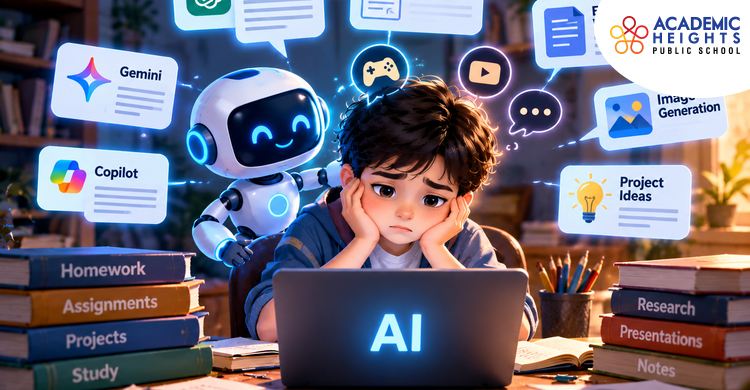
Students develop dependence on AI when they use AI tools as their go-to method for almost all tasks they encounter in their studies. This is called cognitive offloading because we outsource tasks that require thinking (such as recalling information, reasoning, and problem-solving) to an external source.
Why Do Students Become Dependent on AI?
The speed, availability, and low judgment of asking a silly question make AI an attractive option for students. With strict deadlines, heavy workloads, and the ease of getting an instant answer, AI use often becomes a regular part of students’ daily academic routines and learning habits. This growing AI dependency among students often develops when convenience takes priority over understanding.
Signs of Over-Reliance on AI
Common signs include difficulty in doing basic tasks without AI support, difficulty getting started on a piece of work unless AI has given an outline, and realising they can’t explain a concept they have written using AI. Effects of AI dependency on students can cause a phenomenon called cognitive fatigue. This can cause students to struggle with their own thoughts.
How to Use AI Without Losing Independent Thinking
Reducing AI dependency is about practicing responsible AI use for students. This would mean using it in a way that helps you think better, learn independently, and make better decisions.
Let AI Support Your Thinking, Not Replace It
Use AI to understand concepts you don’t get, or to help you with your own reasoning, but don’t ask it to think. This is really important because by doing it yourself (even if you get it wrong), you are actively engaging your brain, developing AI and critical thinking skills, and strengthening your ability to solve problems independently!
Use AI to Plan Your Learning
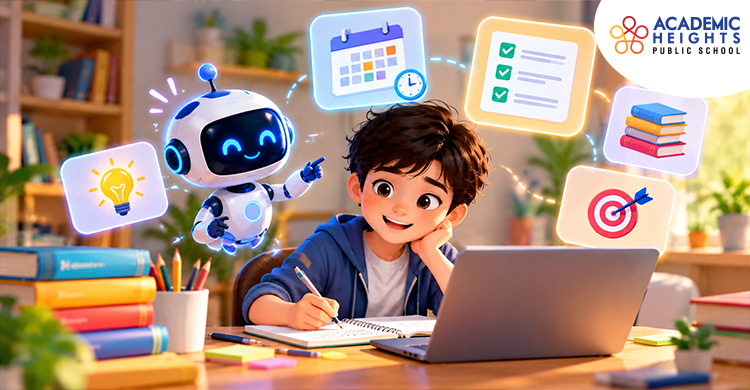
You can truly use AI to help organize your revision schedule more effectively and stay focused. It can help break down a large topic into smaller parts and tell you what you should revise next. This means that it is acting more like a planner tool rather than answering your questions or replacing your personal learning efforts. Such balanced use of AI tools can make studying more organised while keeping you involved in your own progress.
Use AI as a Tutor, Not an Answer Machine
Instead of using AI to give you the answer, get it to do something more. Perhaps ask it to explain the concept differently, or test you by asking questions. This can help to keep you engaged as a student, while also helping you learn, become curious, and think for yourself. If you are wondering how to use AI tools without becoming dependent, start by treating AI as a learning guide rather than a shortcut to completing every task.
Build Study Habits That Work Without AI Dependency
This blog provides strong AI-free good study habits for you to practice. These habits are useful in exams, during class discussions, and for tackling problems by yourself.
Take Notes in Your Own Words
If you take what you have learnt and put it into your own words, your brain will start processing and organising information more effectively. This will help give you a good understanding of what you are learning, strengthen your conceptual clarity, and improve your memory greatly! Writing notes independently also helps reduce unnecessary dependence on AI by encouraging you to engage with what you are learning.
Test Yourself Before Asking AI
Try to do it from memory first. Even if you get it wrong, your brain will learn much better from you making an effort to recall or solve it independently. This approach also strengthens your retention, builds confidence, and helps identify areas that need further improvement. You will also have a genuine idea of what you know.
Practise Solving Problems Independently
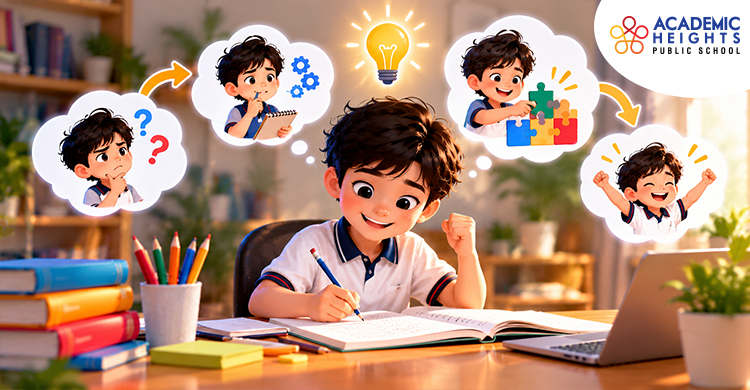
By regularly solving questions without using any AI, you will keep your problem-solving ability sharp and ready for your exams. Even though it may seem easier not to think too hard about it, it will actually make your problem-solving ability weaker when you actually need it most. If you want to know how to build study habits without AI, begin with small daily tasks that encourage you to think, recall, and solve problems on your own.
Understand the Risks and Limitations of AI
Using AI responsibly also means understanding where it can genuinely go wrong, so students don’t accidentally treat every AI-generated answer as automatically correct or complete. Developing this awareness helps them question information, verify facts, and make more informed academic decisions. Understanding the effects of AI overuse on students can also encourage more thoughtful and responsible learning practices.
Can You Trust Every AI Answer?
These tools can be very convincing and show confidence in their answers even if they are incorrect (often referred to as hallucinations). One of the most common mistakes made by students using these tools heavily for the first time is to assume that everything given by the AI is correct. Therefore, students should develop healthy AI habits by questioning answers and checking important information instead of accepting every response without thought.
Fact-Check AI-Generated Information
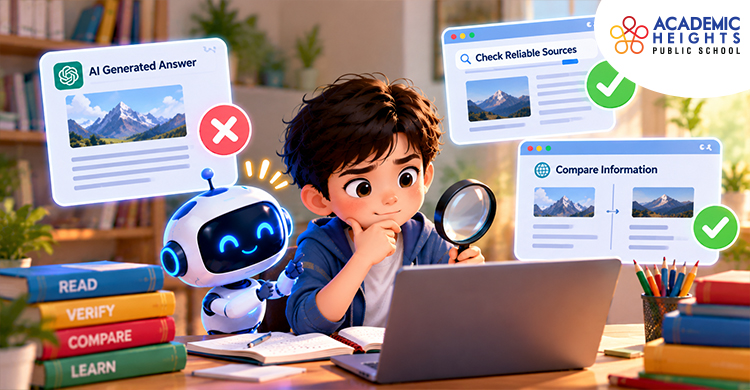
Students should verify every major fact, date, or number that the AI gives them using an independent source. This is an easy way to prevent any embarrassing errors, improve their research skills, ensure they can check if the information given is true, build more confidence in their academic work, and support the ethical use of AI in education.
Understand AI Bias and Limitations
AI tools can become biased because they gain knowledge from the data they are trained on. This means there could be bias in the answers provided by the AI tool. Knowing this will make students more critical of the answers that the AI provides.
When Should Students Use AI for Assignments?
This section will help students understand when they should or shouldn’t use AI to ensure they are always honest in their learning in modern times. It will help them act responsibly, ethically, and accountably. Following the principles of responsible AI use for students can help them benefit from these tools without compromising their learning.
When Is It Appropriate to Use AI for Assignments?
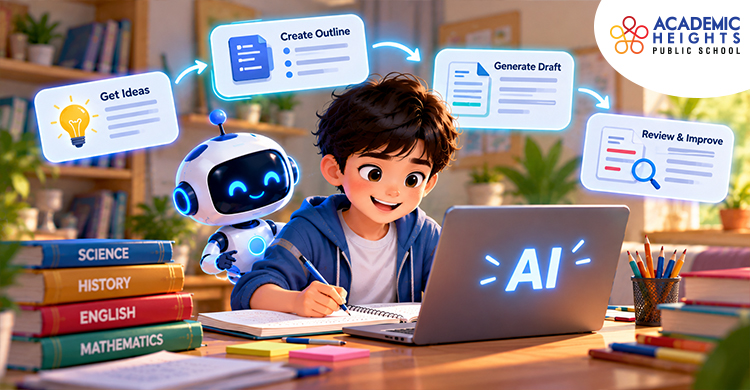
Using AI to assist you with ideas, making complex ideas clear, checking grammar, and getting feedback on a piece that you have written can have positive effects on your learning and the standard of your academic work. However, when it comes to actually producing the content itself, it can be questionable.
Do’s of Using AI for Learning
You can use artificial intelligence tools to help you understand complex topics, create practice questions, or do self-checks. This will help consolidate your knowledge and improve your understanding. However, it is important to check the policies around using AI for your studies at your institution, as this can vary a lot between schools, teachers, and different types of work.
Don’ts of Using AI for Learning
Don’t try to pass off AI-generated content as your own. Don’t use AI to avoid thinking about how to complete your assignment. Rather, use it to help you form your ideas, gain more understanding, and improve your learning. This approach encourages ethical use of AI in education and helps you become more responsible users of technology.
How Parents and Teachers Can Encourage Balanced AI Use
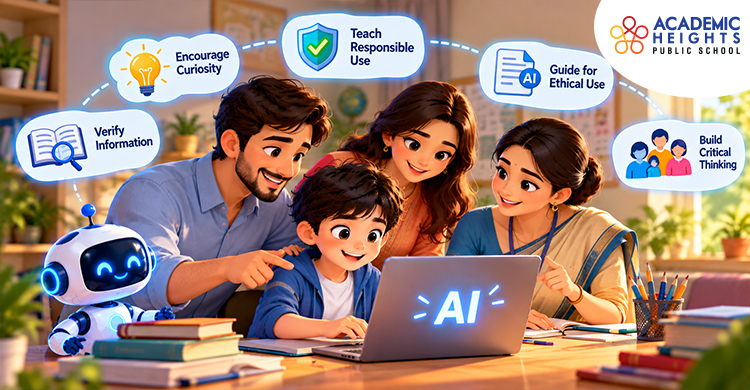
Students pick up these habits from parents and teachers who demonstrate healthy AI habits and provide guidance on good AI habits. Parents and teachers ensure there is an understanding of what is expected of students, helping them to become responsible tech-friendly citizens.
How Teachers Can Guide Responsible AI
Teachers can create rules on how to use AI appropriately and when not to use it in an assignment. Teachers can set tasks that need to be completed without AI. Teaching children to be critical of AI and ask questions about it will create better habits in the long run.
Encourage Balanced AI Use at Home
Encourage children to use their own knowledge to answer questions in their homework before using AI. Ask them open questions to ensure that they understand what they have learnt and any areas where they may need further help. Ask questions like ‘Can you explain this to me?’ to encourage understanding.
Value Effort and Understanding Over Perfect Answers
By rewarding students with positive praise, such as acknowledging their effort and accepting their understanding, we enable them to ‘own up’ to their mistakes because there shouldn’t be pressure to produce perfect, polished work. This also builds confidence, encourages independent learning, and reduces the temptation to rely excessively on AI tools.
Frequently Asked Questions
Students can try to solve questions by themselves. They should use AI only to check their work and solve practice problems by themselves. It will keep their core skills of independent thinking sharp.
Overusing AI can lead to it being used as a default option for completing academic tasks. As they rely so much on AI, this can decrease their problem-solving and thinking skills.
Using AI occasionally is generally acceptable; however, using it on a regular basis to provide answers or complete work can cause a decline in their ability to think for themselves.
AI can be used to help you understand a concept, or even test yourself, but it should not be used to generate your content. This keeps your own original thinking and voice genuinely at the centre. Knowing how to useChatGPT for studying without cheating ensures the ethical use of AI in education.
There are also some warning signs to look out for. These may include: struggling to begin assignments without AI tools, struggling to describe your AI-supported work in your own words, or feeling genuinely nervous about attempting tasks without easy access to AI tools. Applying these tips to reduce AI dependency can help overcome such hurdles.
No. If used wisely, it can be a great tool to help with your learning. The aim is to use AI tools to help you think, but ensure they are not taking over your brain entirely.
Conclusion
While it is not a bad thing for students to use AI, it should be considered how much they are using it. If they use it as a tutoring resource, developing strong study habits and keeping a critical mind, they can gain the benefits that AI has to offer without losing their ability to think for themselves. A balanced and critical mind can greatly benefit students by preparing them for any future academic or professional possibilities. Managing such AI dependency in students ensures their long-term success.
You may also like : –
Best Free AI Tools for Homework Every Student Needs
How Students Can Improve Their English Speaking Skills
CBSE Curriculum for Competitive Exams: How It Prepares Students
AI Is Changing Student Learning In Powerful Ways