Have you ever wondered what matters more in marks vs skills in education when it comes to a child’s future?
As a student or parent, this question often comes up during exams and result discussions. Marks show how well someone performs in tests, but skills show how well they can apply what they learn in real life.
Today, parents and educators are realising that academic scores alone are not enough, and the real focus should be on the holistic development of students.
So instead of choosing one over the other, the real focus should be on understanding what truly helps a child grow, which we explore in this blog.
Introduction to Marks vs Skills in Education
What matters more: Marks or Skills? This question often comes up when we talk about learning, but the real answer isn’t as simple as it seems.
Why the Debate Around Marks vs Skills Is Growing
The debate around marks vs skills in education is growing because the job market is changing faster than traditional education. Reports suggest that only about 42–56% of Indian graduates are considered employable due to skill gaps, despite having degrees.
This mismatch between education and industry needs is making people rethink what truly matters for success today.
Changing Expectations from Modern Education
Changing expectations from modern education can be seen in how parents now value real-life abilities along with marks.
For example, a student who scores well on exams but cannot speak confidently in interviews is often seen as less prepared than someone with average marks but strong communication and problem-solving skills.
Understanding the Traditional Focus on Marks
The marks vs. skills debate has long shaped education systems, in which marks were seen as the main measure of success, though the full picture is more complex.
Why Marks Have Been the Primary Benchmark
Have you noticed how marks have always been the easiest way to judge performance?
They give schools and parents a simple, uniform system to compare students, track progress, and make decisions about admissions and careers. Because they are clear and measurable, marks have naturally become the most trusted benchmark over time.
Advantages of Scoring High Marks
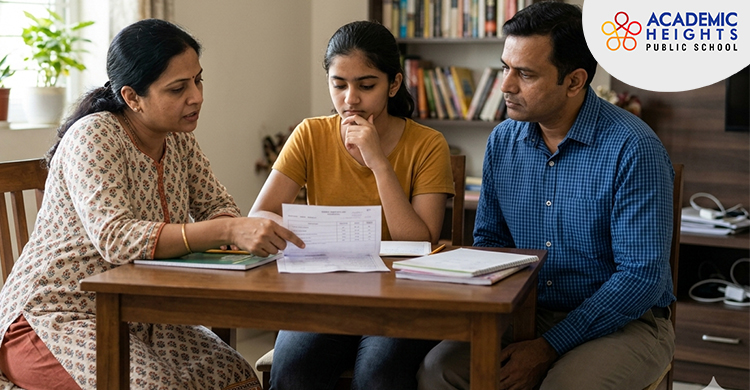
Scoring high marks can open many doors for you. They often make it easier to get into good colleges and create a strong first impression.
When you consistently score well, it also boosts your confidence and shows your dedication. For parents, it brings a sense of reassurance about a child’s academic progress.
Limitations of a Marks-Only Approach
Have you ever thought about what marks don’t show? They may reflect exam performance, but they often miss skills like creativity, communication, and problem-solving.
If you focus only on marks, you might overlook real understanding and practical ability, which are equally important for handling real-life situations beyond the classroom.
What Are Skills and Why Do They Matter
Skills for student success go beyond what marks can show, shaping how learning is actually applied in real-life situations, but what do they truly include? Let’s find out.
Definition of Life Skills and 21st Century Skills
Life skills are simple abilities you use every day, like talking clearly, solving problems, and making good decisions in daily life.
21st-century skills include things like creativity, working with others, and using technology. You may already be using these skills at school, at home, or even while working in a group without realising it.
Critical Thinking Skills
The importance of skills over marks becomes clear when you start looking beyond memorising answers and focus on understanding concepts.
Critical thinking skills help you analyse information, question what you learn, and solve problems logically. Whether in studies or real life, they guide you toward better, more thoughtful decisions.
Developing critical thinking skills helps students solve real-life problems with confidence and creativity.
Creativity and Innovation
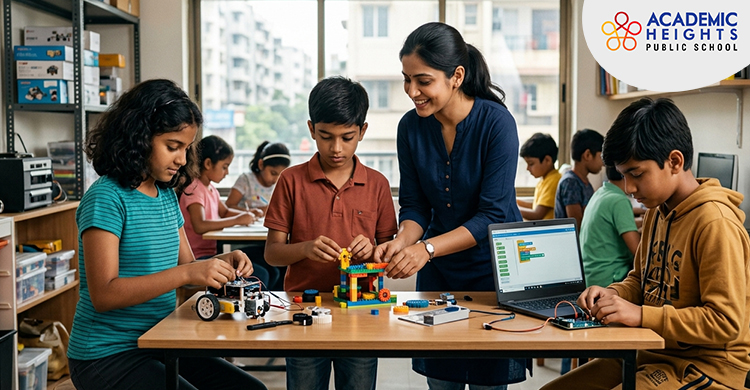
Creativity is not just about drawing or art; it’s about thinking differently. When you come up with new ideas or find unique solutions to problems, you are using innovation.
As a student, this skill helps you stand out, whether in projects, competitions, or everyday classroom activities.
Collaboration Skills
Collaboration skills help you work well with others, whether in group projects or classroom activities.
When you listen, share ideas, and respect different opinions, tasks become easier and more effective. As a student, learning to work in a team prepares you for real-world situations where cooperation is always needed.
Emotional Intelligence in Children
Developing emotional intelligence in children means making them aware of their own feelings and also being aware of others’ emotions. You might notice how children who manage emotions well handle stress and friendships better.
It helps in building patience, empathy, and healthier relationships in everyday life and learning environments.
Apart from academics, emotional intelligence in children plays a major role in helping them handle stress, relationships, and decision-making.
How Skills Impact Real-World Success
Think of success in real life like navigating a journey. Skills are the tools that help you move forward when situations go beyond textbooks. They play a major role in real-world success because they help you handle practical challenges.
As you grow, these skills often matter more than marks in building a successful career and confident personality.
Marks vs Skills: A Comparative Perspective
The marks vs skills in education debate shows two different ways of measuring learning, each offering its own perspective on growth, success, and future readiness.
Short-Term Benefits of Marks
Marks often give quick rewards like good grades, school recognition, and easier access to admissions. They help you measure performance in a structured way and meet academic requirements.
For parents and students, high marks bring immediate satisfaction and a sense of achievement in the short term.
Long-Term Benefits of Skills
Skills offer long-term growth by preparing you for real-life challenges beyond exams. They help you adapt, communicate, and solve problems in different situations.
Over time, strong skills build confidence, independence, and career readiness, making them more valuable as you move forward in life and work environments.
Real-Life Examples of Skill-Based Success
Skill-based learning in schools can be seen in students who may not top exams but excel in debates, coding, sports, or creative projects.
For example, a student with average marks but strong communication skills often performs better in interviews and group tasks, showing how skills drive real-world success.
In today’s competitive world, employers value communication skills for students just as much as academic performance.
Why Skills Are More Important Than Marks Today
The shift towards holistic development of students shows why skills are gaining more importance than marks today, reflecting a deeper change in how learning and success are understood.
Shift Toward Skill-Based Education
Education today is gradually moving beyond marks and focusing more on practical learning. Schools are introducing activities, projects, and real-life tasks to build abilities.
This shift towards skill-based learning in schools reflects the need to prepare students not just for exams, but for situations where applying knowledge matters more than simply remembering it.
Importance of Real-World Skills
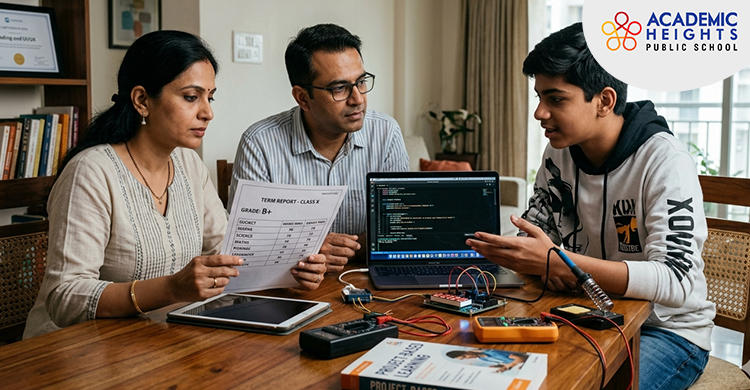
Real-world skills help you handle everyday challenges with confidence and clarity. Whether it is communicating ideas, solving problems, or making decisions, these abilities go beyond textbooks.
Modern education also focuses on building real-world skills for students because practical exposure improves understanding and long-term retention.
As a student, learning such skills ensures you are better prepared for situations that cannot be answered through memorisation alone in real life.
Role of Skills in Career Growth
Skills play a key role in career growth because they determine how effectively you perform in real situations.
Employers today look beyond marks and focus on abilities like teamwork, communication, and adaptability. As you move ahead, these skills help you grow faster, handle responsibilities better, and succeed in changing work environments.
Marks vs Skills: What Should Parents Focus On
The marks vs skills in the education debate often leaves parents wondering what truly deserves more attention, as the answer lies in understanding a balance that shapes a child’s overall growth.
Understanding Your Child’s Strengths
Every child learns and grows differently, and understanding their strengths is an important step for parents. You may notice your child is good at speaking, creating, or solving problems.
Paying attention to these natural abilities helps you support their growth in a way that builds confidence and encourages overall development.
Encouraging Skill-Based Learning at Home
Learning doesn’t only happen in school; it also happens at home through everyday experiences. This is where ‘how parents can focus on skill development’ becomes important.
You can encourage your child to ask questions, try new activities, and solve small problems independently. Simple tasks like storytelling, helping with decisions, or working on creative projects can slowly build important life skills over time.
Supporting Academic Performance Without Pressure
It is important to support your child’s studies while maintaining a positive environment. Instead of focusing only on marks, you can encourage effort, consistency, and understanding.
When children feel supported rather than pressured, they are more likely to enjoy learning, perform better, and develop confidence in their own abilities.
Avoiding Excessive Focus on Marks
Focusing only on marks can sometimes limit a child’s overall growth. When too much importance is placed on scores, children may feel stressed or lose interest in learning.
By balancing attention between marks and skills, you can help your child develop a healthier mindset and a more well-rounded approach to education.
How Schools Balance Marks vs Skills in Education
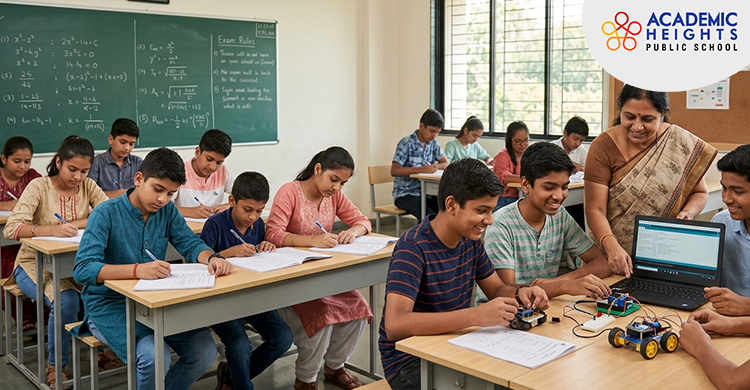
Understanding how to balance marks and skills in school is becoming essential, as schools try to bring together academic performance and overall development in ways that are still evolving.
Shift Toward Holistic Education
Schools today are gradually moving towards a more holistic approach to education. Instead of focusing only on marks, they aim to develop a child’s overall personality.
This includes emotional, social, and practical growth, helping students become more confident, aware, and better prepared for real-life challenges beyond academics.
Importance of Extracurricular Activities
The importance of extracurricular activities for students is evident in how schools help students explore interests beyond textbooks. Activities like sports, music, or debates build confidence, teamwork, and creativity.
As a result, students not only enjoy learning more but also develop important skills that support their overall growth.
Integration of Skill-Based Curriculum
Many schools are now integrating skill-based learning into their curriculum through projects, practical tasks, and interactive methods. This approach helps students apply what they learn instead of just memorising it.
By combining academic knowledge with real-life skills, schools are creating a more balanced and meaningful learning experience for students.
Finding the Right Balance Between Marks and Skills
The skills vs academic marks discussion often leads to a deeper question of balance, where true learning lies somewhere between performance and practical understanding, waiting to be explored.
Why Both Marks and Skills Are Important
You might wonder, are marks important for future success, or do skills matter more?
In reality, both play an important role. Marks help you achieve academic goals, while skills help you apply knowledge in real life. Together, they create a balanced approach that supports long-term growth and overall success.
Practical Tips for Parents in the Marks vs Skills Debate
- Set realistic expectations based on your child’s pace and ability
- Encourage curiosity by allowing questions and exploration
- Focus on strengths to build confidence and motivation
- Promote active learning through discussions, activities, and real-life experiences that go beyond textbooks
Conclusion: Preparing Children for the Future
By now, you may have a clearer understanding of how marks and skills both shape a child’s journey. While marks open academic doors, skills for student success ensure children are ready for real-life challenges.
We hope this helps you focus on balanced growth, where learning goes beyond exams and supports confidence, adaptability, and long-term success in an ever-changing world.
To go deeper into this idea, explore how a growth mindset vs fixed mindset can shape a student’s learning journey and overall success.
FAQs About Marks vs Skills in Education
1. What is more important, marks or skills?
Both are important, but skills often matter more in the long run as they help in real-life situations beyond exams.
2. Why are skills important for students?
Skills help students think, communicate, and solve problems effectively in real life, not just in exams.
3. Can skills replace academic marks?
No, skills cannot fully replace marks, but they complement them and together create better overall growth.
4. How can parents balance marks and skills?
Parents can support studies while also encouraging activities that build creativity, communication, and problem-solving skills.
5. Do schools focus enough on skill development?
Many schools are improving, but skill development is still not equally emphasised in all education systems.