
Smartphones have transformed the way students learn, communicate, and spend their free time. From online classes to educational apps, these devices offer several advantages when used wisely. However, excessive use has also led to growing concerns among parents and teachers. The harmful effects of smartphones on students extend beyond academics, affecting their physical health, mental well-being, and social development. Recognising these challenges early allows families and schools to guide children towards balanced technology use while creating healthier routines that support lifelong learning.
Harmful Effects of Smartphones on Academic Performance
While smartphones support learning, excessive use creates digital distraction, reducing focus and study time. Understanding the impact of mobile phones on student life helps improve their academic performance and learning habits.
Reduced Concentration and Focus
One of the biggest negative effects of smartphones on students is reduced concentration. Frequent notifications interrupt study sessions, making it difficult to stay focused on one task. As a result, students develop a shorter attention span and struggle to complete assignments efficiently. Over time, this mobile phone distraction in studies lowers productivity and affects classroom participation.
Excessive digital distractions can make it difficult for students to maintain their attention span in school kids, especially during longer study sessions.
Declining Academic Performance
The relationship between smartphone use and academic performance has become a growing concern. Furthermore, students who spend long hours scrolling through social media or watching videos often devote less time to studying. As a result, missed deadlines, incomplete homework, and poor exam preparation can gradually affect their grades. This clearly shows the impact of mobile phones on student life when screen time replaces meaningful learning.
Procrastination and Poor Time Management
Many students delay important tasks because smartphones provide endless entertainment. Whether browsing social media, playing games, or watching short videos, these activities encourage procrastination. Poor time management reduces study hours and creates unnecessary academic pressure. Understanding the reasons why students procrastinate in school can help students recognise these habits and develop better ways to manage their study time. Learning how to reduce smartphone addiction in students begins with helping them manage their daily routines more effectively.
Distraction From Learning and Study Time
Even when phones aren’t being used, the thought of having a phone can be distracting. Students may be distracted by messages, notifications, or social media updates, making it harder to stay focused on the lesson. This mental distraction can cause them to miss important explanations, classroom discussions, and teacher instructions—affecting their learning and participation.
Harmful Effects of Smartphones on Physical Health
The effects of excessive phone use on children go beyond academics, impacting physical health through prolonged screen time. Healthy smartphone habits help support children’s fitness, comfort, and overall well-being.
Eye Strain and Vision Problems
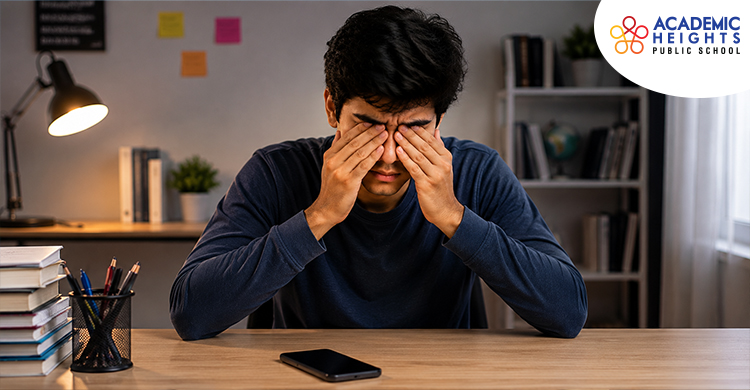
One of the harmful effects of smartphones is prolonged screen time, which can lead to eye strain. Constant exposure to bright screens may cause dry eyes, blurred vision, and discomfort. Looking at screens without regular breaks puts unnecessary pressure on children’s developing eyesight and makes reading or studying for longer periods more difficult.
Poor Posture and Physical Inactivity
Many students spend hours using smartphones while sitting or lying in uncomfortable positions. This often leads to poor posture, neck pain, shoulder discomfort, and backaches. Excessive phone use encourages physical inactivity, reducing the time children spend playing outdoors or exercising. Maintaining an active lifestyle is essential for healthy physical growth and development.
Disturbed Sleep Patterns
Using smartphones late at night is another one of the harmful effects of smartphones, as it can interfere with students’ sleep quality and make it harder to maintain a healthy sleep routine. The blue light emitted from screens reduces melatonin production, making it harder to fall asleep. The impact of smartphones on sleep and concentration becomes noticeable when students wake up feeling tired, struggle to focus in class, and experience lower energy levels throughout the day. Poor sleep also contributes to sleep disorders over time.
Maintaining healthy sleep habits is important for concentration and memory, especially for students who use digital devices frequently before bedtime. This can also help prevent the feeling that they forget everything they study before exams.
Frequent Headaches and Fatigue
Continuous smartphone use often causes headaches, mental tiredness, and reduced energy. Long hours of screen time, combined with poor posture and insufficient sleep, increase physical discomfort. Students may find it difficult to stay alert during lessons or complete homework efficiently. These symptoms explain why smartphones are harmful for students when usage habits are neglected.
Harmful Effects of Smartphones on Students’ Mental Health
The effect of smartphones on students’ mental health goes beyond academics and physical health. Excessive smartphone use can impact emotions, confidence, and relationships, making early guidance essential for children’s emotional well-being and healthy digital habits.
Increased Anxiety and Stress
Constant notifications, academic pressure, and social media comparisons are among the harmful effects of smartphones that can increase stress levels among students. They may feel the need to stay connected all the time, leading to anxiety and depression in some cases. These emotional challenges explain how smartphones affect students’ mental health and highlight the importance of balancing online and offline activities.
Social Isolation and Reduced Face-to-Face Interaction
Although smartphones help children stay connected online, excessive use often reduces real-life conversations. Spending more time on screens than with family or friends can lead to social isolation and weaker communication skills. The impact of mobile phones on student life becomes evident when meaningful relationships are replaced by virtual interactions.
The Impact of Cyberbullying on Self-Esteem
Online platforms can expose students to cyberbullying, which may affect their confidence and emotional health. Hurtful comments, rumours, or online harassment often lower self-esteem and create fear or sadness. Teaching children about online safety and encouraging open communication helps them deal with negative online experiences more confidently.
Fear of Missing Out (FOMO)
Many students constantly check their phones because they fear missing updates, messages, or social media posts. This smartphone addiction in students can create unnecessary stress and make it difficult to stay present during studies or family time. Over time, FOMO encourages unhealthy phone habits and reduces overall life satisfaction.
Behavioural Changes and Signs of Smartphone Addiction
Recognising the early signs of smartphone addiction in students can help parents and teachers take timely action. As dependence on smartphones increases, children may display noticeable behavioural changes that affect their learning, relationships, and daily routines.
Shortened Attention Span
Constant switching between apps, videos, and notifications trains the brain to seek instant stimulation. As a result, students find it difficult to concentrate on lessons, books, or homework for long periods. A reduced attention span is one of the most common negative effects of smartphones on students, making deep learning more challenging.
Reduced Communication Skills
Excessive screen use can limit face-to-face conversations with family, friends, and teachers. Students may become less confident expressing their thoughts in person and rely more on texting than verbal communication. Encouraging regular interaction outside the digital world helps children develop stronger communication and social skills.
Constant Urge to Check the Phone
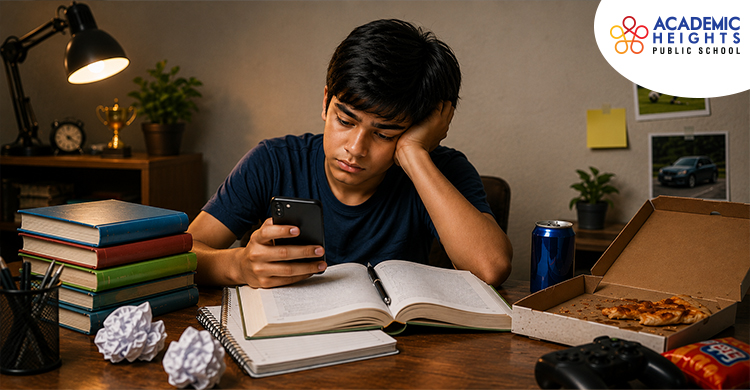
A strong urge to check notifications, even without receiving any, is a common sign of smartphone addiction. Students often interrupt studying, meals, or conversations to look at their phones. This habit creates digital distraction and reduces their ability to stay focused on important daily tasks.
Irritability Without a Smartphone
Children who become upset, restless, or frustrated when they cannot use their phones may be developing unhealthy dependence. This behaviour is one of the clear disadvantages of smartphones for students, showing how excessive phone use can affect emotional control and everyday behaviour.
Neglecting Studies and Responsibilities
When smartphones become a priority, students may begin ignoring homework, household responsibilities, and even personal interests. This pattern illustrates the conflict between smartphone addiction vs academic performance, where screen time displaces study hours.
Role of Parents in Reducing the Harmful Effects of Smartphones
Parents play an essential role in helping children develop responsible smartphone habits. By setting clear boundaries, encouraging healthy routines, and maintaining open communication, families can reduce excessive screen time while supporting balanced technology use and overall well-being.
Setting Healthy Screen Time Limits
Establishing daily screen time limits helps children create a balanced routine between studies, play, and rest. Consistent rules encourage responsible smartphone use while reducing the effects of excessive phone use on children. One of the most effective ways parents can control mobile phone usage in children is by following these limits together as a family.
Encouraging Offline Hobbies and Activities
Outdoor games, reading, creative hobbies, music, and sports give children enjoyable alternatives to smartphones. These activities improve physical fitness, creativity, and social interaction while reducing dependence on digital devices. Encouraging offline interests is also an effective step in reducing smartphone addiction in students.
Leading by Example
Children often follow the habits they observe at home. When parents limit their own smartphone use during meals, conversations, or family time, children are more likely to do the same. Positive role modelling encourages responsible technology use and reinforces healthy digital habits.
Creating Tech-Free Family Time
Setting aside phone-free time for family meals, outings, or conversations helps strengthen relationships and reduce digital dependence. These shared moments encourage meaningful communication and emotional bonding while supporting balancing technology use and academic life. Regular tech-free routines help children understand that smartphones should support life—not replace it.
Spending time away from screens also gives children opportunities to develop real-world skills beyond academics, including communication, teamwork, and creativity.
Role of Schools in Reducing Smartphone Dependency
The role of schools in reducing smartphone dependency is vital in promoting responsible technology use. Along with parents, schools encourage discipline, balanced digital habits, and a healthier learning environment for students.
Implementing Phone-Free Learning Zones
Creating phone-free classrooms helps students stay focused on lessons without unnecessary interruptions. These learning spaces reduce mobile phone distraction in studies, encourage active classroom participation, and improve concentration. Limiting smartphone use during school hours supports better learning experiences and stronger academic performance.
Promoting Digital Literacy and Responsible Use
Teaching students how to use technology responsibly helps them understand both its benefits and risks. Lessons on online safety, privacy, cyber etiquette, and balanced smartphone use encourage informed decision-making. Building digital literacy enables students to use smartphones as learning tools rather than constant sources of distraction.
Technology can also support learning when used responsibly. Students can explore AI learning tools for homework and study support while following school guidelines and avoiding dependence on technology.
Encouraging Sports and Extracurricular Activities
Sports, arts, music, and other extracurricular activities motivate students to spend more time away from screens. These activities improve physical fitness, teamwork, creativity, and confidence while reducing screen time. A balanced routine helps students enjoy healthier lifestyles both inside and outside the classroom.
Providing Counselling and Awareness Programmes
Schools can organise counselling sessions and awareness programmes to educate students about the harmful effects of smartphones on students. These initiatives help children recognise unhealthy habits, manage smartphone addiction, and seek support whenever they experience stress, cyberbullying, or emotional challenges.
How Students Can Build Healthy Smartphone Habits
Building healthy smartphone habits does not mean avoiding technology completely. Instead, students should learn to use smartphones wisely by setting boundaries, managing their time, and giving equal importance to studies, physical activities, and meaningful real-life interactions.
Practicing Digital Detox
Taking regular breaks from smartphones allows students to refresh their minds and improve concentration. A simple digital detox by limiting non-essential phone use during study hours or before bedtime helps reduce distractions, improves sleep quality, and supports better mental and physical health.
Setting Personal Screen Time Goals
Students should set realistic daily screen time goals to balance learning and entertainment. Tracking phone usage helps them recognise unnecessary habits and make better choices. Small improvements each day are effective in how to reduce smartphone addiction in students while encouraging self-discipline.
Prioritizing Offline Learning and Activities
Encouraging non-digital resources, physical textbooks, and hands-on activities helps students retain information better while reducing daily screen strain. Small improvements each day are effective in reducing smartphone addiction in students while encouraging self-discipline.
Using Smartphones as Learning Tools
Smartphones can become valuable educational resources when used with purpose. Accessing learning apps, online courses, educational videos, and research materials supports academic growth without encouraging excessive screen time. When used responsibly, smartphones can also support classroom learning, access to educational resources, and interactive study experiences, as explained in the role of smartphones in education. It helps strike a healthier balance between smartphone use and academic performance.
When technology is used with a clear learning purpose, thinking-based learning can encourage students to understand concepts rather than simply consume digital content.
FAQs (Frequently Asked Questions)
The harmful effects of smartphones on students include reduced concentration, poor academic performance, eye strain, disturbed sleep, anxiety, social isolation, and smartphone addiction. Excessive use can also affect physical health, emotional well-being, and communication skills.
Excessive smartphone use creates distractions that reduce study time and concentration. For example, frequent notifications, gaming, and social media can interrupt learning, making it difficult for students to complete assignments and perform well in exams. As a result, this directly affects smartphone use and academic performance.
Common signs include constantly checking the phone, difficulty concentrating, irritability when the phone is unavailable, neglecting studies, reduced communication with family, and spending excessive time on screens instead of productive activities.
Parents can set daily screen time limits, encourage outdoor activities, create tech-free family time, and lead by example. Therefore, these are some of the most effective ways parents can control mobile phone usage in children and promote healthier digital habits.
The role of schools in reducing smartphone dependency includes implementing phone-free classrooms, teaching digital literacy, organising counselling programmes, and encouraging sports and extracurricular activities that reduce excessive smartphone use. In addition, these measures can help students develop healthier relationships with technology.
Students can build healthier habits by practicing a digital detox, setting personal screen time goals, prioritising offline learning, and using smartphones mainly for educational purposes. Ultimately, these steps support a healthier balance between technology use and academic life.
Conclusion – (80 words)
Smartphones have become valuable learning tools, but excessive use can negatively affect students’ academic performance, physical health, mental well-being, and overall development. Understanding the harmful effects of smartphones on students helps parents, teachers, and schools work together to encourage responsible technology use. By promoting balanced screen time, healthy routines, and meaningful offline experiences, children can enjoy the benefits of technology without becoming dependent on it. Developing mindful smartphone habits today prepares students for a healthier, more focused, and successful future.