
Every parent wants to find a school that offers the right learning environment and opportunities for their child. While curriculum often becomes the main focus, it is the teachers who truly shape a child’s learning journey. A well-designed curriculum provides direction, but the right teachers matter more than the right curriculum because they make lessons meaningful, engaging, and relevant. Understanding the importance of right teachers in education helps schools and parents prioritize these core teaching qualities: curiosity, communication skills, and the ability to succeed both inside and outside the classroom.
Why the Right Teachers Matter More Than a Right Curriculum
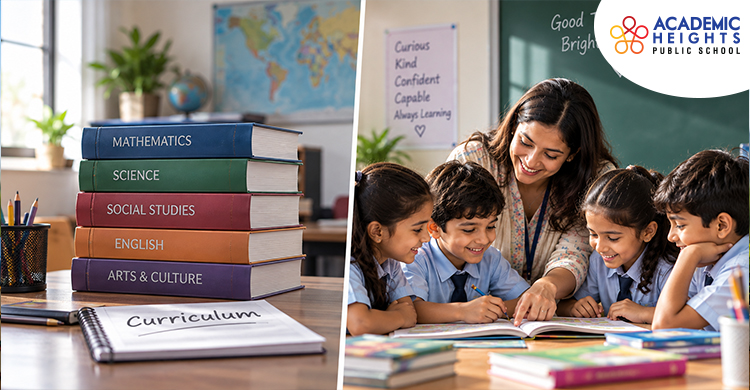
A curriculum provides direction, but the role of teachers in student success lies in inspiring students through guidance, motivation, and engaging lessons that promote academic growth and holistic development.
The Real Difference Between Curriculum and Teaching
A curriculum outlines what students learn, while teaching determines how they learn it. Even the strongest syllabus cannot achieve its purpose without skilled educators. While teachers and curriculum in education must work in tandem, understanding why the right teachers matter more than the right curriculum comes down to how these written plans are brought to life in the classroom.
How Teachers Bring a Curriculum to Life
Great teachers make every lesson interactive by connecting concepts with practical experiences, discussions, and activities. Their teaching methodology, communication skills, and creativity increase classroom engagement and help students understand topics more effectively. This demonstrates why the right teachers matter more than the curriculum, as effective teaching makes lessons memorable and meaningful.
Why Great Teachers Create Lasting Learning Experiences
Teachers influence much more than classroom lessons. They build confidence, encourage independent thinking, and help children discover their potential. On a daily level, the direct impact of teachers on student learning translates into lasting confidence and adaptability.
How Teachers Influence Student Learning

Effective teachers recognise different learning needs, provide emotional support, encourage participation, and create positive classrooms. This shows how the right teacher impacts student learning by making education engaging, meaningful, and enjoyable.
Making Complex Concepts Easy to Understand
One of the best qualities of an effective teacher is simplifying difficult concepts into easy, relatable explanations. By using visuals, activities, and real-life examples, teachers improve subject mastery and help students gain confidence instead of feeling overwhelmed during the learning process.
Encouraging Curiosity and Critical Thinking
Instead of asking students to memorise information, great teachers encourage questions, discussions, and problem-solving. This strengthens critical thinking, promotes student motivation, and develops independent learners. The impact of teacher-student relationships on learning becomes stronger when children feel encouraged to explore ideas without fear of making mistakes.
Adapting Lessons to Different Learning Styles
Every child understands lessons in their own way. Effective teachers use adaptive teaching to adjust activities, explanations, and learning materials according to students’ needs. Whether a child learns better through visuals, discussion, practice, or activities, this approach supports personalized learning and helps every student participate with greater confidence.
Building Student Confidence Through Positive Feedback
Positive feedback can make a big difference in a child’s learning journey. When teachers appreciate effort and guide students through mistakes, children become more willing to participate and try again. This confidence-building approach also boosts student motivation, helping learners develop a positive attitude towards challenges and improving their overall learning outcomes.
Qualities That Make a Teacher Truly Effective
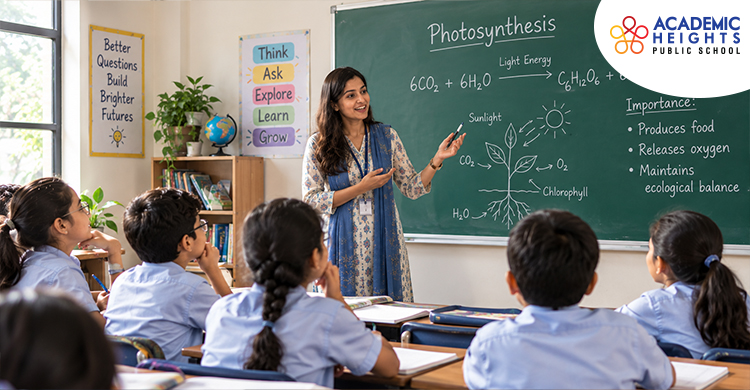
Understanding why good teachers are important in schools comes down to how they influence student confidence and foster a safe environment for learning. They build a supportive classroom where every child feels valued, proving why quality educators are essential in modern schooling.
Strong Subject Knowledge and Communication Skills
Teachers with strong subject mastery can explain concepts clearly and answer students’ questions with confidence. However, knowledge becomes more effective when paired with good communication skills. A teacher who explains ideas in simple language can make difficult topics easier to understand while encouraging students to actively participate in classroom discussions.
Patience and Emotional Intelligence
Children may make mistakes, struggle with concepts, or need additional time to understand a lesson. Patient teachers respond with understanding rather than frustration. Their emotional intelligence helps them recognise students’ feelings and provide appropriate emotional support, creating a safe classroom environment where children can learn without being afraid of making mistakes.
Ability to Motivate and Inspire Students
An inspiring teacher highlights the key role of teachers in student success, turning an ordinary lesson into an opportunity to discover something new. Through encouragement, interesting activities, and relatable examples, teachers increase student motivation and classroom engagement. Their enthusiasm can encourage children to take ownership of their learning, participate actively, and develop confidence in their abilities.
Genuine Care for Student Growth
When teachers genuinely care about their students, children feel supported beyond their academic performance. They notice individual strengths, identify areas that need improvement, and offer guidance when needed. This teacher-student relationship builds trust and encourages children to work towards their goals while supporting their academic, emotional, and personal development.
Benefits of Having the Right Teachers

The right teachers make learning more meaningful by improving academic performance, building confidence, encouraging participation, and supporting strong relationships, while helping children develop skills for holistic development.
Improved Academic Performance and Confidence
Quality teaching can demonstrate the direct impact of teachers on student learning and overall academic progress. When teachers identify learning gaps and provide suitable guidance, students can understand concepts more clearly and perform better. At the same time, regular encouragement and confidence building help children approach academic challenges with a more positive mindset.
Stronger Teacher-Student Relationships
A positive teacher-student relationship makes children feel comfortable expressing their thoughts, asking questions, and seeking help. When students trust their teachers, they are more likely to participate actively and respond positively to guidance. The impact of teacher-student relationships on learning can therefore extend from classroom participation to stronger confidence and academic progress.
Better Classroom Engagement and Discipline
A key factor in maintaining discipline is understanding how teaching style affects student engagement in everyday lessons. Good teachers create classrooms where students remain involved rather than simply listening to lessons. Clear expectations, interactive activities, and consistent guidance improve classroom engagement and encourage responsible behaviour.
Long-Term Impact on Career and Life Choices
Teachers can influence the way children see their abilities and future possibilities. Through mentorship, encouragement, and exposure to different subjects, they may help students recognise interests they can develop further. Exploring how teachers shape a child’s future shows that true education prepares students to handle real-world challenges.
How Great Teachers Personalize the Learning Experience

Every child learns differently. Great teachers recognise individual strengths and needs, using personalized learning to adapt lessons, support progress, and help students learn with greater confidence.
Identifying Individual Student Strengths and Weaknesses
Understanding each student’s strengths and weaknesses allows teachers to provide more focused support. They observe classroom participation, assess progress, and identify areas where children may need additional practice. This approach helps teachers create suitable learning opportunities while encouraging students to build on their strengths and work confidently on areas that need improvement.
Using Real-Life Examples to Teach Concepts
Connecting lessons with everyday experiences makes difficult concepts easier to understand and remember. Teachers can use familiar situations, stories, activities, or practical examples to explain new ideas. This teaching methodology keeps students interested while helping them understand how classroom knowledge connects with the world around them.
Encouraging Questions and Open Discussion
A classroom where students can freely ask questions encourages curiosity and critical thinking. Teachers who welcome different opinions and ideas help children become active participants rather than passive learners. Open discussions also improve communication skills, allowing students to express their thoughts clearly while learning to listen and respond respectfully to others.
Supporting Different Learning Paces
Not every child understands a concept at the same speed. Effective teachers give students the time and support they need without making them feel pressured. By adjusting activities, explanations, and practice, teachers encourage adaptive teaching and ensure that different learning paces are respected while maintaining steady academic growth.
How Schools Can Ensure They Have the Right Teachers
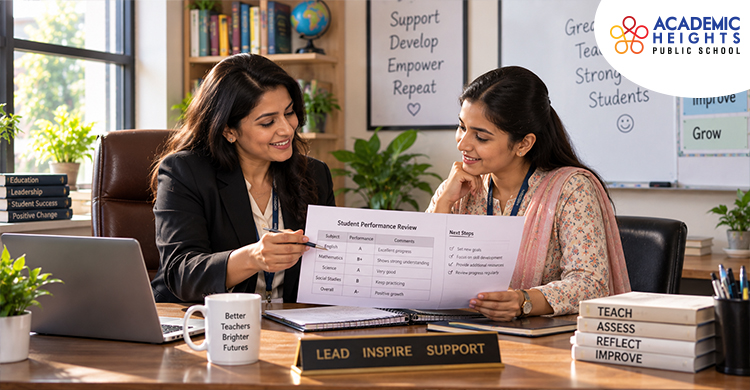
Schools need more than qualified teachers; they need educators with knowledge, patience, communication skills, and genuine care. Investing in these training programmes directly improves quality teaching and academic performance across all year groups.
Rigorous Teacher Selection and Training Programs
Schools should use a thoughtful selection process that considers qualifications, teaching skills, communication, and classroom approach. Interviews, demonstrations, and practical assessments can help identify suitable educators. Regular training also strengthens teaching methodology, classroom management, and subject mastery, ensuring teachers are prepared to meet the changing needs of their students.
Continuous Professional Development for Educators
Learning does not stop after teachers enter the classroom. Regular workshops, training sessions, peer learning, and professional development programmes help educators improve their skills. Continuous development introduces teachers to new teaching strategies, technology, and personalized learning approaches, helping them create engaging classrooms and support better learning outcomes.
Creating a Supportive Work Environment for Teachers
Teachers perform better when they feel respected, supported, and valued by their school. A positive work environment allows educators to share ideas, collaborate with colleagues, and focus on student needs. Providing appropriate resources, recognising good work, and maintaining healthy communication can improve teacher satisfaction and contribute to stronger classroom experiences.
Regular Feedback and Performance Evaluation
Regular feedback helps teachers understand what is working well and where they can improve. Schools can use classroom observations, student progress, peer feedback, and performance reviews to support professional growth. The goal should not be limited to evaluation but should encourage continuous improvement in teaching practices and student support.
Why Parents Should Look Beyond the Curriculum
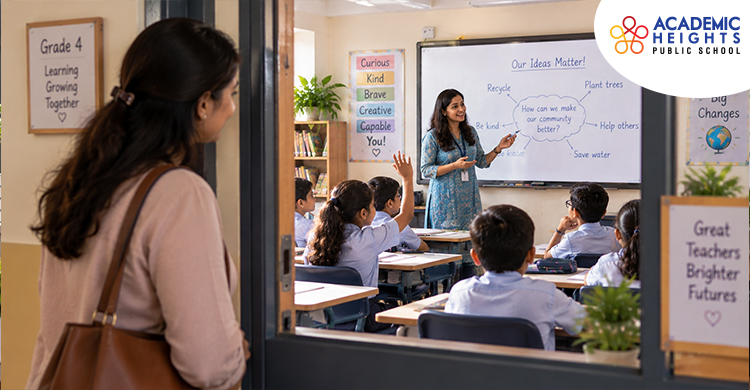
A school’s curriculum matters, but parents should also consider teacher quality, classroom interactions, teaching approaches, and student support. Choosing the right school based on teacher quality can enhance learning experiences.
Observing Teacher–Student Interaction
During a school visit, parents can observe how teachers speak to and interact with students. Do children seem comfortable asking questions? Are teachers patient and attentive? Positive interactions can reveal how seriously a school values its teacher-student relationship and whether students receive a supportive learning environment.
Looking for Individual Attention and Mentorship
Children benefit when teachers notice their individual needs rather than treating every learner in the same way. Parents should look for schools where educators provide individual attention, guidance, and mentorship. This can help students overcome challenges, recognise their strengths, and develop greater confidence in their abilities.
Understanding the School’s Teaching Philosophy
When evaluating schools, parents should look at how teachers and curriculum in education balance structured guidelines with creative classroom execution. They should understand whether the school focuses only on academic results or also encourages curiosity, collaboration, critical thinking, and holistic development. A balanced approach can support children’s growth in and beyond the classroom.
Asking the Right Questions During School Visits
School visits are a valuable opportunity for parents to understand how teaching actually works. Ask about teacher qualifications, classroom size, teaching methods, individual support, professional development, and student progress. These questions can help parents look beyond brochures and understand whether the school’s educators can genuinely support their child’s learning journey.
The Long-Term Impact of Good Teachers on Students
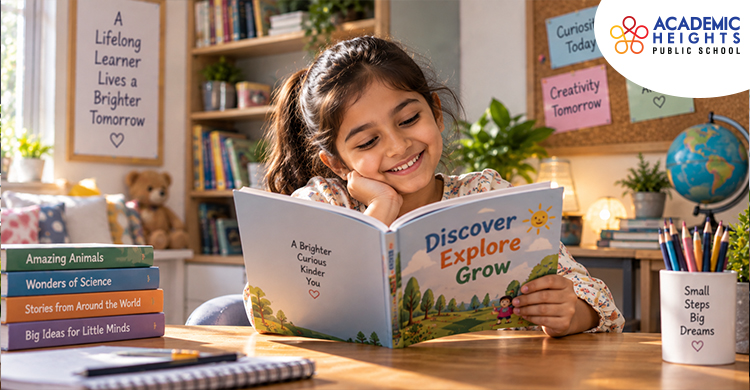
Understanding how teachers shape a child’s future reveals that while a syllabus changes over time, exceptional educators leave an impact on character, ambition, and lifelong habits long after school ends.
Shaping Values, Character, and Life Skills
Teachers play an important role in helping children develop qualities such as responsibility, respect, empathy, teamwork, and honesty. Through everyday interactions and classroom experiences, they model positive behaviour and encourage students to make thoughtful choices. These lessons support holistic development and prepare children to handle challenges with confidence and maturity.
Building Lifelong Love for Learning
Great teachers make learning feel exciting rather than simply treating it as a school requirement. By encouraging curiosity, exploration, and questions, they help students discover the joy of learning. Positive experiences in the classroom can develop student motivation and create a lasting interest in gaining knowledge, exploring ideas, and learning independently.
Influencing Future Career and Academic Choices
Teachers often notice interests and abilities that students may not recognise themselves. Their encouragement and mentorship can help children explore subjects, identify strengths, and consider different academic or career paths. A teacher’s guidance at the right time can give students the confidence to pursue opportunities that match their interests and potential.
Preparing Students for a Changing World
Today’s students need more than textbook knowledge to succeed in a changing world. Teachers help develop critical thinking, communication skills, collaboration, creativity, and problem-solving abilities. By using flexible teaching approaches and real-world learning experiences, educators prepare children to adapt to new challenges and become confident lifelong learners.
Frequently Asked Questions
A curriculum provides structure and learning goals, but teachers bring those plans to life. Effective educators explain concepts, adapt lessons, motivate students, and provide support based on individual learning needs.
Teachers influence learning outcomes through their teaching methods, communication, feedback, and ability to understand student needs. Effective teaching can improve understanding, classroom participation, confidence, and academic performance.
Some of the best qualities of an effective teacher include strong subject knowledge, patience, communication skills, emotional intelligence, adaptability, creativity, and genuine care for student growth.
Schools can use careful selection processes, teaching demonstrations, interviews, background checks, and professional assessments. Continuous training, feedback, and performance evaluation can further support teachers’ professional development.
Both matter, but teachers have a direct influence on a child’s everyday learning experience. A good school provides resources and structure, while effective teachers use these resources to create meaningful learning opportunities.
A positive teacher-student relationship creates trust and makes students feel comfortable asking questions and seeking help. When children feel supported, they are more likely to participate, stay motivated, and approach learning with confidence.
Conclusion
The right teachers matter more than the right curriculum because teachers turn educational plans into meaningful learning experiences. Their guidance, patience, knowledge, and encouragement can improve academic performance while building confidence, curiosity, and essential life skills. For parents, looking beyond the syllabus and evaluating educator competence is the most critical factor when selecting the right school. When children learn with supportive and effective teachers, they gain the foundation needed for lifelong academic growth and success.