
Many students work hard throughout the year but still lose valuable marks because of avoidable errors during examinations. These silly mistakes in exams can affect grades, confidence, and overall academic performance. Understanding how can students stop making silly mistakes in exams is important for achieving better results. By identifying the causes of careless errors and adopting effective exam strategies, students can improve accuracy, reduce unnecessary mark loss, and perform to their full potential in every examination. Improving exam performance is not just about studying harder but also about developing the right study habits for students that reduce avoidable mistakes.
What Are Silly Mistakes in Exams?
Not every lost mark comes from poor preparation. In many cases, students know the correct answers but make avoidable errors while reading, solving, or writing during the examination.
Understanding Careless Errors
Careless errors occur when students understand a concept but make mistakes while applying it in an exam. These may include writing incorrect numbers, missing instructions, or overlooking details. Such silly mistakes in exams are usually linked to attention and focus rather than knowledge. Improving concentration skills helps students identify and reduce these unnecessary errors during assessments and achieve more accurate results in examinations.
Why Small Mistakes Lead to Big Mark Losses
Small mistakes may seem insignificant, but they often result in major mark deductions. A missed step, incorrect unit, or forgotten keyword can affect the final score. These errors are among the common reasons for losing marks in exams because they occur repeatedly. Even well-prepared students can lose valuable marks if they fail to pay attention to important details throughout the paper.
The Difference Between Knowledge Gaps and Silly Mistakes
Knowledge gaps occur when students do not understand a topic or concept. Silly mistakes, however, happen even when you know the correct answer. Understanding this distinction is important because the solutions differ. While knowledge gaps require additional learning, exam mistakes and solutions related to carelessness focus on improving attention, reviewing work, and developing better exam habits.
Why Do Students Make Silly Mistakes in Exams?
Several factors contribute to careless mistakes during examinations. Identifying these causes allows students to address the problem directly and develop habits that support more accurate performance.
Exam Stress and Anxiety
High levels of exam stress can affect concentration and decision-making abilities. When students feel nervous, they may forget instructions, misread questions, or make unnecessary errors. Anxiety often shifts attention away from the task at hand. Learning relaxation techniques, preparing thoroughly, and maintaining confidence can significantly help students stay calm and reduce mistakes during important examinations.
Rushing to Finish the Paper
Many students worry about completing their exam on time and begin rushing through questions. This often leads to missed details, incomplete answers, and incorrect calculations. Effective time management helps students maintain a steady pace throughout the paper. When students avoid rushing, they can think more clearly, check their work properly, and produce more accurate responses during examinations.
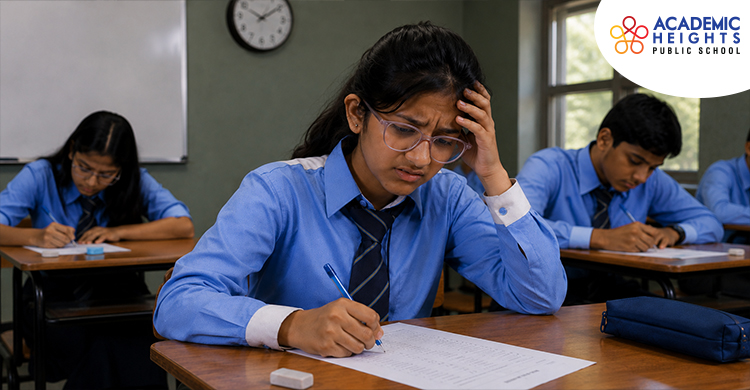
Lack of Concentration During Exams
A wandering mind can be one of the biggest obstacles during examinations. Students who lose focus may skip questions, overlook instructions, or write incorrect information. Strong focus during exams improves attention to detail and helps prevent avoidable mistakes. Practicing concentration during study sessions can strengthen mental focus and improve performance when facing examination pressure.
Building a better attention span in school kids helps students stay focused and reduces careless mistakes during exams.
Overconfidence in Easy Questions
Easy questions often create a false sense of security. Students may assume they already know the answer and fail to read carefully. This overconfidence can lead to avoidable errors. Paying equal attention to all questions helps students improve exam accuracy. A careful approach ensures that simple questions become opportunities to gain marks rather than lose them.
Common Silly Mistakes Students Make in Exams
Certain errors appear frequently across different subjects and examinations. Recognizing these patterns allows students to become more aware of their habits and avoid repeating mistakes.
Misreading Questions
Misreading questions is one of the common exam mistakes students make. Students may overlook important instructions, ignore command words, or misunderstand what is being asked. As a result, they provide answers that do not meet the examiner’s expectations. Reading every question carefully and identifying keywords can significantly reduce the chances of misunderstanding and losing marks.
Skipping Important Steps
In subjects like mathematics and science, students sometimes skip essential steps to save time. Even when the final answer is correct, missing steps can lead to partial marks. Showing complete working demonstrates understanding and helps examiners follow the solution process. A structured approach also reduces the risk of mistakes occurring midway through the answer.
Calculation and Formula Errors
Calculation mistakes and incorrect formula usage are common sources of mark loss. These errors often occur because students rush or fail to review their work. Strong problem-solving skills and regular practice help reduce such mistakes. Checking calculations carefully and verifying formulas before solving can improve accuracy and increase confidence during examinations significantly.
Writing Incomplete Answers
Students sometimes know the correct response but fail to include all necessary points. Incomplete answers often result in lower marks because important information is missing. Reviewing responses before submission helps identify gaps and ensures completeness. Clear and detailed answers demonstrate understanding and allow students to maximize scoring opportunities in every examination.
How Poor Exam Habits Increase Mistakes
The habits students develop during preparation often influence their exam performance. Poor study and revision practices increase the likelihood of making avoidable mistakes.
Inadequate Revision Before Exams
Without proper revision, students may struggle to recall important information during examinations. Weak revision increases uncertainty and reduces confidence. Effective exam preparation involves reviewing concepts regularly rather than relying on last-minute studying. Consistent revision strengthens understanding, improves memory retention, and helps students answer questions more accurately under exam conditions.
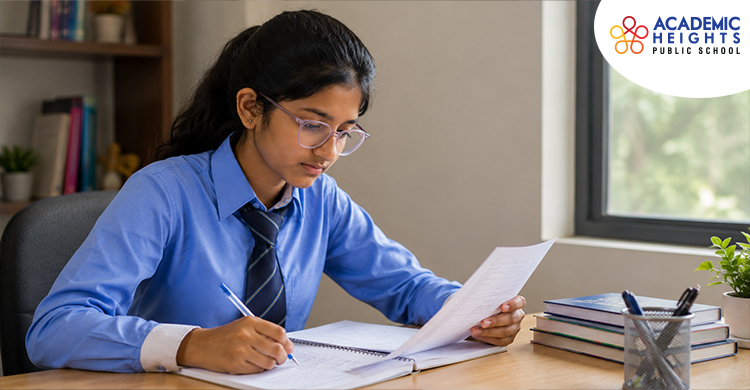
Poor Time Management
Students who fail to plan their study and exam schedules often experience unnecessary pressure. Poor time management can lead to rushed answers, skipped questions, and limited review time. Developing realistic study plans and allocating exam time wisely allows students to work efficiently while maintaining accuracy throughout the examination process and achieving better results.
Developing adaptability skills for students helps them manage unexpected situations during exams without panicking.
Lack of Practice with Sample Papers
Practice papers help students understand exam patterns, improve speed, and identify weaknesses. Without sufficient practice, students may struggle with unfamiliar question formats and timing issues. Solving sample papers regularly creates confidence and prepares students for real exam conditions. It also helps reduce mistakes by improving familiarity with different types of questions.
How Students Can Stop Making Silly Mistakes in Exams
Fortunately, students can overcome careless errors by adopting simple strategies. Consistent practice and awareness can significantly improve performance and reduce unnecessary mark loss.
Read Every Question Carefully
Reading every question carefully is one of the simplest ways to stop making silly mistakes in exams. It helps students understand exactly what is being asked. This habit is essential for how to avoid silly mistakes in exams because it prevents misunderstandings and incorrect responses. Students should read each question at least twice before answering. Taking a few extra seconds to understand instructions can save valuable marks during examinations.
Students who develop critical thinking skills are more likely to understand questions correctly before answering them.
Underline Important Keywords
Highlighting or underlining important words helps students focus on key instructions and requirements. This simple technique improves understanding and reduces confusion. It is one of the most effective tips to avoid silly mistakes during exams because it ensures students address every part of the question accurately and avoid overlooking critical details.
Double-Check Calculations and Answers
Developing the habit of reviewing your work can help you stop making silly mistakes in exams and improve your final score. Reviewing calculations and written responses allows students to identify errors before submission. Effective answer checking can reveal mistakes that may otherwise go unnoticed. Students should make it a habit to verify important calculations, formulas, and written answers. This extra step can significantly improve accuracy and prevent unnecessary mark deductions.
Manage Time Effectively During Exams
Good time management is essential if you want to stop making silly mistakes in exams. Students should divide their available time according to question marks and difficulty levels. Proper pacing prevents rushing and creates opportunities for review. Learning to manage time effectively helps reduce careless mistakes in exams while ensuring every question receives adequate attention. Good planning contributes directly to stronger performance and improved exam results.
Smart Exam Strategies to Improve Accuracy
Beyond preparation, smart exam techniques can help students produce more accurate responses and avoid common errors during assessments.
Attempt Easy Questions First
Beginning with familiar questions helps students gain confidence and build momentum. Early success reduces anxiety and creates a positive mindset for tackling more challenging sections later. This strategy improves confidence in exams, helps students secure marks quickly, and ensures they approach the remainder of the paper with greater focus and control.
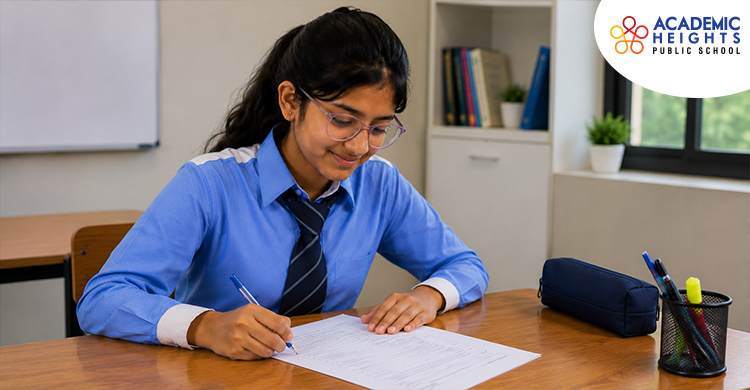
Leave Time for Final Review
A final review session allows students to identify missing answers, incorrect calculations, and incomplete responses. This step is crucial for students who want to improve exam accuracy. Even a few minutes of careful checking can uncover mistakes that would otherwise cost marks. Reviewing work should always be part of an exam strategy.
Stay Calm Under Pressure
Staying calm helps students stop making silly mistakes in exams caused by stress or panic. Pressure can affect judgment and increase the likelihood of errors. Students who remain calm are more likely to think clearly and respond accurately. Deep breathing, positive self-talk, and proper preparation help reduce stress levels. A calm mindset supports concentration, improves decision-making, and contributes to better performance throughout the examination process.
Use Rough Work Properly
Rough work serves as an important tool for organizing thoughts and calculations. Students should use it systematically to avoid confusion and track their problem-solving process. Organized rough work makes checking easier and helps identify mistakes quickly. It also reduces the chances of overlooking important steps when answering complex questions.
Building Better Focus and Concentration
Strong concentration plays a major role in reducing mistakes. Students who can maintain focus for longer periods are less likely to overlook important details. Strong thinking-based learning encourages students to stay actively engaged instead of rushing through questions.
Avoiding Distractions While Studying
Distractions such as mobile phones, social media, and background noise can interrupt learning. Creating a focused study environment helps students retain information more effectively. Limiting distractions improves concentration, strengthens study habits, and prepares students to remain attentive during examinations. Better focus during preparation often leads to fewer mistakes during exams.
Practicing Mindful Learning
Mindful learning involves paying complete attention to the task being performed. This approach helps students absorb information more effectively and reduces careless errors. Practicing mindfulness regularly strengthens concentration skills and improves memory retention. Students who learn mindfully often demonstrate better accuracy and awareness during examinations and classroom assessments.
Improving Attention During Tests
Attention during tests can be improved through preparation, confidence, and active focus. Students should remain present throughout the examination rather than worrying about previous or upcoming questions. Maintaining attention helps avoid missed instructions and careless errors. Strong focus contributes significantly to better academic performance and more accurate responses overall.
Daily Habits That Reduce Exam Mistakes
Long-term habits often determine exam success. Small daily improvements can have a significant impact on accuracy and confidence during assessments.
Creating a Revision Routine
A consistent revision routine helps students review information regularly and strengthen memory. Scheduled revision sessions reduce last-minute stress and support effective exam preparation. Students who revise consistently are more confident and less likely to make avoidable mistakes. Regular revision also improves understanding and retention of important concepts across subjects.
Practicing Self-Checking Techniques
Self-checking encourages students to review their work critically before considering it complete. This habit improves awareness and helps identify mistakes early. Practicing self-checking regularly develops attention to detail and strengthens accuracy. Over time, students become more skilled at spotting errors independently and correcting them before they affect performance.

Getting Proper Sleep Before Exams
Sleep plays an important role in concentration, memory, and decision-making. According to the CDC’s guidance on sleep and health, getting enough quality sleep helps improve attention, learning, and memory. Students who sleep well before exams are more alert and focused. Lack of sleep can increase forgetfulness and careless mistakes. Maintaining healthy sleep habits helps students perform at their best and supports stronger concentration during examinations and revision sessions.
How Parents and Teachers Can Help Students
Parents and teachers play an important role in helping students develop habits that reduce mistakes and improve overall examination performance.
Encouraging Careful Reading Habits
Students should be encouraged to read questions and instructions thoroughly before responding. Parents and teachers can reinforce this habit through regular practice and feedback. Developing careful reading skills reduces misunderstandings and improves accuracy. Consistent encouragement helps students become more attentive and confident when approaching examination questions.
Providing Regular Practice Tests
Practice tests expose students to realistic exam conditions and help identify areas requiring improvement. Regular testing strengthens familiarity with question formats and time constraints. It also provides opportunities to practice review techniques and develop better accuracy. Frequent assessment helps students build confidence while reducing the likelihood of careless mistakes.
Building Confidence Without Pressure
Students perform best when they feel supported rather than pressured. Excessive expectations can increase anxiety and affect performance. Parents and teachers should focus on encouragement, effort, and progress. Positive reinforcement helps students develop resilience and confidence, allowing them to approach examinations with a healthy mindset and reduced fear of failure.
FAQs (Frequently Asked Questions)
1. Why do students make silly mistakes in exams?
Students often make silly mistakes because of stress, rushing, poor concentration, overconfidence, inadequate revision, or failure to review their answers carefully before submission.
2. How can I avoid careless mistakes during exams?
Students can stop making silly mistakes in exams by reading questions carefully, underlining important keywords, managing time effectively, staying focused, and always review your answers before submitting the paper.
3. Does exam stress cause more mistakes?
Yes, excessive exam stress can reduce concentration, affect decision-making, and increase the likelihood of making careless mistakes during examinations.
4. How can I improve my accuracy in exams?
Practice regularly, strengthen concentration, use self-checking techniques, review answers carefully, and consistently follow effective exam strategies.
5. What should I do before submitting my answer sheet?
Spend the final few minutes checking answers, reviewing calculations, verifying instructions, and ensuring all questions have been answered completely.
Conclusion
Understanding why do students make careless mistakes in exams is the first step toward overcoming them. By improving study habits, strengthening focus, practicing effective time management, and applying smart exam strategies, students can significantly reduce avoidable errors. Learning how to improve accuracy in exams requires consistency, awareness, and regular self-checking. With proper preparation and a calm approach, students can avoid unnecessary mark loss, perform confidently, and achieve stronger results in every examination they undertake.
Success in exams comes from combining knowledge with focus, preparation, and avoiding the common debate of marks vs skills in education.