
In today’s world, academic excellence alone is no longer enough to prepare children for the future. Child development beyond grades is important because children need confidence, emotional intelligence, creative thinking, social skills, and strong values to thrive in life. This is where holistic child development comes in. It focuses on not just one aspect of growth but on nurturing every aspect of a child’s personality development, so they develop into well-rounded individuals. When parents and educators encourage the overall development of a child, they become better equipped to face challenges and succeed in every stage of life.
What Is Holistic Child Development?
Holistic child development is an approach that emphasizes the overall growth of a child rather than focusing solely on academic milestones, encompassing cognitive development, extracurricular activities, and character building. Instead of viewing education simply as scoring well in exams, a holistic framework recognizes that a child’s brain, body, and emotions are deeply interconnected.
Understanding Holistic Development
Understanding holistic development of children helps parents recognize that true growth extends beyond academic grades. Supporting a child’s development as a whole person by identifying their unique strengths and nurturing all areas of growth creates a strong foundation for lifelong success and happiness.
Why Academics Alone Are Not Enough
Academic knowledge only builds theoretical intelligence, but children also need social skills, emotional intelligence, creative thinking, and confidence building. Success in life depends on child development beyond grades. Skills like communication, teamwork, adaptability, and self-discipline contribute to personal happiness and professional achievement.
Success in modern education increasingly depends on life skills, which is why the debate around marks vs skills in education has become more important than ever.
The Five Dimensions of Holistic Child Development
Holistic child development is the overall development of a child through five key dimensions: physical development, cognitive growth, social skills, emotional intelligence, and moral growth. Supporting holistic learning in kids helps children become confident, resilient, compassionate, and independent individuals, prepared to thrive in everyday life and adapt to future challenges.
Why Holistic Development Matters Beyond Academics
Holistic development of children focuses on balancing academics with essential life skills, enabling them to overcome real-life challenges and become independent individuals. Therefore, here are some reasons why holistic development matters beyond academics.
Preparing Children for Real-Life Challenges
Throughout life, children encounter situations that require teamwork, decision-making, conflict resolution, and leadership skills. As a result, holistic child development beyond academics equips them with resilience, communication, and problem-solving abilities that help them confidently navigate school, careers, and personal relationships.
Building Confidence and Independence
Confidence grows only when children explore different interests, solve issues, and make decisions independently. With failures and successes, participating in sports, arts, and leadership activities encourages self-belief, discipline, and responsibility, which allows children to become capable individuals who trust in their own abilities. The importance of non-academic skills in children lies in developing confidence and resilience, which helps them navigate real-life challenges and achieve overall growth beyond academic success.
Supporting Lifelong Learning
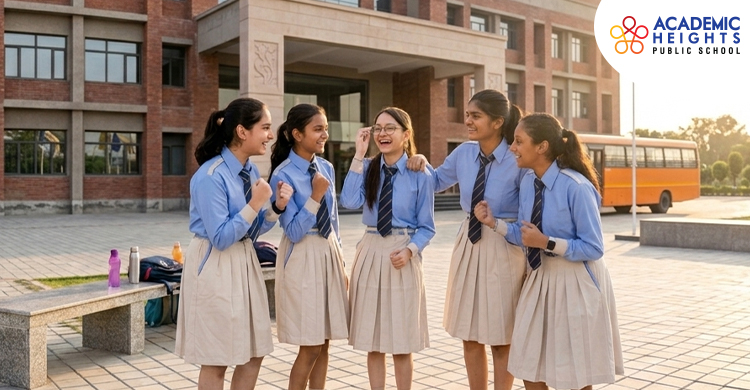
A child who enjoys learning beyond textbooks develops curiosity and adaptability. In addition, holistic learning for kids promotes continuous learning by encouraging exploration, curiosity, creativity, questioning, and independent thinking. As a result, these little habits help children remain motivated learners and explorers throughout adulthood, which is why holistic development matters beyond academics.
Encouraging curiosity and independent thinking also supports thinking-based learning, helping children become active learners rather than passive memorisers.
Why Focusing Only on Academics Can Be Limiting
Although academic achievement is valuable, excessive emphasis on grades may unintentionally limit interpersonal skills, creative thinking, and important life skills that contribute to long-term success. Focusing only on academics restricts talent development for a child.
Increased Stress and Academic Pressure
Constant pressure to perform academically can increase anxiety while reducing motivation, and affect mental well-being. Academic pressure can lead to burnout. Children need balanced schedules that include practical knowledge, relaxation, and meaningful social interactions to maintain emotional health and positive learning experiences.
Limited Emotional and Social Development
Without emotional intelligence and social development, children may struggle with social skills such as empathy, teamwork, and conflict resolution. These skills are equally important for personal relationships, leadership, and future workplace success where, without emotional development, character building is difficult.
Lack of Real-World Readiness
When a child’s sole focus is on academics, they become unprepared for practical life situations. Managing responsibilities, solving unexpected problems, making ethical decisions, and collaborating effectively require real-world experiences beyond classroom learning. It’s the age to make a child ready for the real world, but academics solely can’t make them ready.
Reduced Creativity and Curiosity
An excessive focus on exams increases rote learning and decreases experimentation and creative thinking. Moreover, an excessive emphasis on grades often causes students to lose the essence of curiosity and creative thinking. As a result, reduced social interaction and skill development can lead to underconfidence and dependency.
Key Areas of Holistic Child Development
In contrast, holistic child development beyond academics is where growth receives equal attention, helping kids become healthy, confident, compassionate, and self-disciplined. Furthermore, a balanced education which values academics, life skills, innovation, and personal growth helps students develop into confident and well-rounded individuals.
Cognitive Growth and Critical Thinking
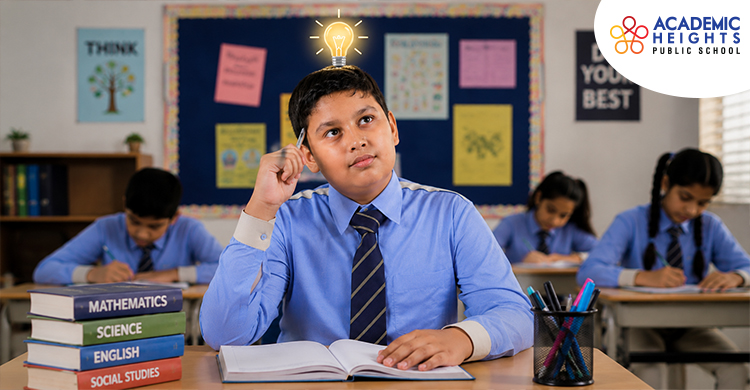
Cognitive growth is a child’s ability to think, reason, analyze, and solve problems effectively. Therefore, encouraging questioning, exploration, and independent thinking develops curiosity and decision-making skills. For example, activities like reading, puzzles, discussions, and project-based learning help children become confident learners who can adapt to different situations with logical and creative thinking.
Emotional and Social Development
Emotional and social development helps children understand their emotions, express feelings appropriately, and build healthy relationships. Additionally, learning empathy, cooperation, respect, and conflict resolution enables them to communicate effectively. Furthermore, positive interactions with family, friends, and teachers strengthen emotional resilience, self-awareness, and the ability to work successfully with others.
Physical Health and Well-Being
Physical development includes regular exercise, balanced nutrition, proper sleep, and healthy habits. Active children develop stronger muscles, better coordination, and improved concentration. Physical fitness also supports mental well-being by reducing stress and boosting confidence. Healthy routines encourage lifelong wellness and improve overall academic and personal performance.
Physical health and nutrition work together to improve concentration, energy, and emotional well-being, highlighting the importance of healthy food and nutrition for students.
Creativity and Innovation
Creativity encourages children to imagine, explore, and develop original ideas. Extracurricular activities such as drawing, storytelling, music, crafts, and experiments inspire innovation and self-expression. Creative thinking improves problem-solving abilities and adaptability, helping children approach challenges with confidence while discovering their unique talents and interests.
Moral Values and Character Building
Holistic learning for kids value education and character building teach honesty, kindness, responsibility, and respect. Strong moral values guide children in making responsible and ethical decisions. Children who understand these values develop integrity, empathy, and accountability. Character building contributes positively to society while maintaining meaningful relationships throughout life.
Signs of Healthy Holistic Development
Holistic development of children demonstrates balanced growth across different areas of life. These positive signs reflect emotional maturity, confidence, curiosity, responsibility, and healthy relationships with others.
Confidence and Self-Esteem
One of the benefits of holistic child development is confident children believe in their abilities and willingly accept new challenges. Healthy self-esteem enables them to express opinions, learn from mistakes, and remain motivated. Positive encouragement from parents and teachers strengthens confidence, helping children develop resilience, independence, and a strong sense of self-worth.
Strong Communication and Social Skills
Children with strong communication skills express ideas clearly, listen attentively, and interact respectfully. These skills cooperate in group activities, resolve conflicts peacefully, and build meaningful friendships. Effective communication promotes teamwork, leadership, and emotional understanding, helping children succeed in both academic and social environments.
Effective communication and collaboration become easier when students develop a healthy attention span in school kids, allowing them to listen actively and participate meaningfully.
Curiosity and Love for Learning
Curious children eagerly ask questions, explore new topics, and enjoy discovering knowledge beyond textbooks. Their enthusiasm for learning motivates continuous improvement and creativity. Encouraging exploration through reading, experiments, and real-life experiences develops lifelong learners who embrace challenges with confidence and excitement.
Independence and Responsibility
Independent children learn to make appropriate decisions, manage daily tasks, and take responsibility for their actions. They develop discipline, accountability, and confidence while completing assignments and fulfilling commitments. Gradually increasing responsibilities prepares children to become capable, reliable, and self-motivated individuals.
Role of Extracurricular Activities in Overall Growth
After a while, a question comes of how to support a child’s overall growth. The answer lies in extracurricular activities; it complements academic learning by developing practical skills, confidence, leadership, and teamwork. The role of extracurricular activities in child growth is crucial, as these experiences complement classroom learning while fostering resilience, communication, discipline, leadership, teamwork, and problem-solving skills, contributing to their overall development.
Sports and Physical Activities
Sports improve physical fitness, teamwork, discipline, and perseverance. Regular participation enhances coordination, stamina, and confidence while teaching children to manage victories and setbacks gracefully. It also reduces stress, improves concentration, and encourages healthy lifestyles that support overall growth and academic success.
Arts, Music, and Creative Expression
Art, music, dance, and drama encourage imagination, emotional expression, and confidence. Creative activities improve concentration, communication, and problem-solving abilities while helping children discover hidden talents. They provide healthy outlets for emotions and contribute to emotional well-being and personal satisfaction.
Clubs, Debates, and Leadership Opportunities
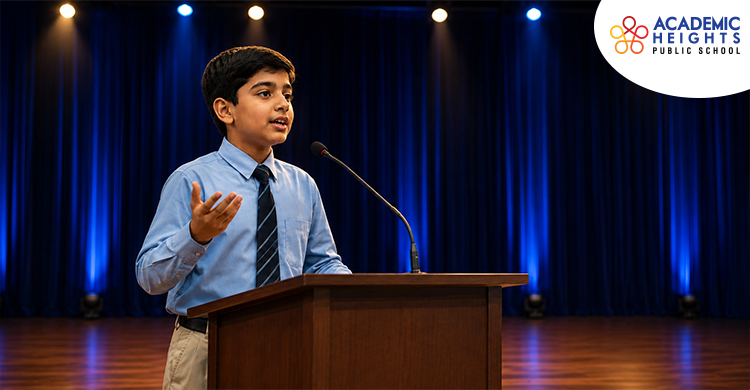
Participation in clubs, debates, and leadership programs develops communication, critical thinking, teamwork, and organizational skills. Children learn to express opinions confidently, solve problems collaboratively, and take initiative. These experiences prepare them for leadership roles and future professional responsibilities.
Community Service and Teamwork
Community service is an excellent example of the role of extracurricular activities in child growth. By participating in meaningful projects, children develop compassion, empathy, responsibility, and social awareness while strengthening teamwork and cooperation. These experiences encourage them to contribute positively to society, build character and confidence, and foster respect for diverse perspectives.
Benefits of Holistic Child Development
Holistic child development helps parents understand how to support a child’s overall growth by nurturing their unique strengths, encouraging creativity, and building essential life skills beyond academics. Benefits of holistic child development, is success in academics, relationships, careers, and personal well-being throughout life.
Improved Confidence and Self-Esteem
Non-academic skills empower children to recognize their strengths, improve areas of weakness, and build the confidence needed to overcome challenges. Positive experiences in academics, sports, and creative activities enhance self-esteem, foster resilience, and encourage children to approach challenges with optimism, develop healthy relationships, and maintain emotional well-being throughout life.
Better Emotional Intelligence
Emotional intelligence enables children to understand emotions, manage stress, and empathize with others. These abilities improve communication, conflict resolution, and decision-making. Emotionally intelligent children build stronger relationships and demonstrate resilience when facing personal or academic challenges.
Stronger Academic and Personal Growth
Holistic development supports academic achievement by improving concentration, motivation, creativity, and problem-solving skills. At the same time, it strengthens personal qualities such as responsibility, discipline, and adaptability. This balanced growth helps children succeed both inside and outside the classroom.
Preparedness for Real-World Challenges
Children develop character through the resilience, communication, and adaptability that prepare them for future challenges. They become confident decision-makers capable of handling changing situations, working collaboratively, and overcoming obstacles while maintaining emotional balance and ethical values. At the end of the day, getting a child ready to overcome real challenges is what parents need.
Essential Life Skills Every Child Should Develop
Balancing academics and life skills for students enables children to become responsible, adaptable, and independent individuals. By developing essential life skills alongside academic knowledge, students are better prepared for academic success, personality development, healthy relationships, and future career opportunities.
Communication and Teamwork
Effective communication helps children express thoughts clearly, listen actively, and collaborate respectfully. Teamwork teaches cooperation, shared responsibility, and mutual respect. Together, these skills strengthen relationships, improve classroom participation, and prepare children for successful personal and professional interactions.
Problem-Solving and Critical Thinking
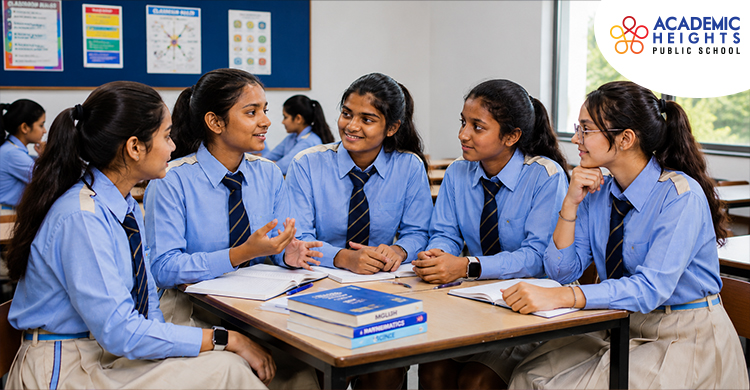
Critical thinking enables children to analyze situations, evaluate options, and make informed decisions. Problem-solving skills encourage logical reasoning and creativity when facing challenges. These abilities improve academic performance and prepare children to address real-life situations confidently and independently.
Encouraging students to question ideas, analyse situations, and explore multiple solutions helps develop strong critical thinking skills, which are essential for academic success and real-world decision-making.
Time Management and Responsibility
Time management teaches children to prioritize tasks, complete work on schedule, and maintain balance between studies and recreation. Similarly, responsibility develops accountability and discipline. Together, these skills increase productivity, reduce stress, and encourage lifelong habits of organization and commitment.
Adaptability and Resilience
Adaptability helps children to adjust in new situations and embrace change positively. Resilience enables them to recover from setbacks, learn from failures, and continue progressing. This quality helps in confidence building, emotional strength, and determination for lifelong success and personal well-being.
Developing resilience becomes easier when children also build strong adaptability skills for students that help them navigate change confidently.
How Schools Can Promote Holistic Development
Schools play a significant role in holistic development by creating learning environments that encourage academic excellence alongside creativity, emotional well-being, physical fitness, and character development.
Encouraging Extracurricular Participation
Schools should provide opportunities for sports, arts, cultural events, clubs, and competitions. Active participation helps students discover talents, develop leadership qualities, improve teamwork, and build confidence while maintaining a healthy balance between academics and personal interests.
Integrating Experiential Learning
One of the most effective ways schools promote holistic child development is through experiential learning. Projects, field trips, experiments, and collaborative activities encourage deeper understanding and the practical application of knowledge. By learning through meaningful real-world experiences rather than memorization alone, students develop critical thinking, creativity, communication, collaboration, and problem-solving skills.
Providing Mentorship and Counselling Support
Guidance from teachers, mentors, and counselors helps students manage academic pressures, emotional challenges, and career planning. Supportive relationships encourage confidence, resilience, and personal growth while ensuring children receive assistance whenever they face difficulties.
Creating a Balanced Academic Environment
A balanced curriculum combines academics, creativity, physical education, value education, and life skills, ensuring students experience well-rounded education for students. Furthermore, schools should balance academic expectations with opportunities for recreation, creativity, and emotional development. As a result, reducing excessive pressure encourages curiosity, innovation, and healthy learning habits, enabling students to achieve long-term success without compromising their well-being.
How Parents Can Support Holistic Child Development
For parents, knowing how to support holistic child development means recognizing a child’s unique strengths and providing opportunities for personality development, confidence building, and overall growth. Parents create the foundation for holistic development by providing love, guidance, encouragement, and opportunities that nurture every aspect of a child’s personality and potential.
Encouraging Hobbies and Interests
Parents should support hobbies such as reading, music, sports, gardening, or crafts to nurture creativity, confidence, and lifelong passions beyond academics. Pursuing personal interests builds creativity, confidence, discipline, and emotional satisfaction while helping children discover their strengths beyond academic achievements.
Supporting Emotional Well-Being
Open communication, encouragement, empathy, and positive reinforcement strengthen emotional security while helping children develop healthy coping skills and confidence. It allows children to express emotions openly and confidently. Listening patiently, offering encouragement, and teaching healthy coping strategies strengthen emotional resilience, self-esteem, and trust while promoting positive mental health and stronger family relationships.
Creating a Balanced Home Learning Environment
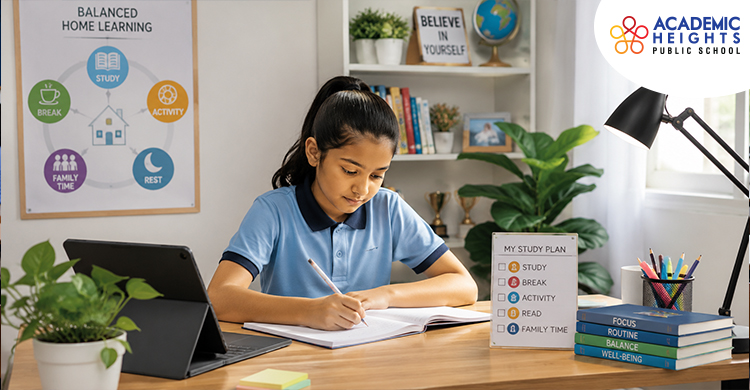
A supportive home environment fosters holistic child development by balancing academics with play, physical exercise, relaxation, and family activities, ensuring healthy growth across all areas of development. Providing learning resources while avoiding excessive academic pressure encourages curiosity, independent thinking, and healthy development without sacrificing emotional well-being.
Encouraging Reading Beyond Textbooks
Books, biographies, science magazines, and educational stories broaden children’s knowledge, enrich their vocabulary, stimulate imagination, and encourage independent, lifelong learning. Exposure to diverse reading materials also strengthens critical thinking, creativity, and communication skills while nurturing curiosity and a genuine love for learning. Holistic education vs academic education highlights the evolving approach to education—moving beyond grades and academic achievement to focus on a child’s overall development, including life skills, creativity, emotional well-being, values, and social growth.
How Holistic Child Development Shapes Future Success
Holistic child development creates resilient individuals who succeed academically, socially, emotionally, and professionally throughout every stage of life. Overall development of children prepares them for fulfilling lives by developing the knowledge, character, resilience, and practical skills needed to succeed in a rapidly changing world.
Building Confident and Capable Individuals
Balancing academics and life skills for students is essential for raising confident, well-rounded individuals. When schools focus on both academic excellence and personal development, children build strong values, effective communication skills, leadership qualities, and self-belief. This balanced approach helps them become independent, make responsible decisions, solve problems creatively, and approach challenges with optimism, preparing them for lasting personal and professional success.
Preparing Children for Future Careers
Modern workplaces value collaboration, creativity, adaptability, emotional intelligence, and leadership alongside academic qualifications, making holistic development increasingly important. Holistic education vs academic education has become a key discussion as future careers demand adaptability, creativity, teamwork, leadership with effective communication in addition to strong academic knowledge. Holistic development equips children with these essential life skills, preparing them to thrive in evolving workplaces, confidently navigate professional challenges, and achieve long-term success.
Supporting Lifelong Learning
Children who develop curiosity and independent thinking continue learning throughout life, while successfully adapting to changing careers, technologies, and opportunities. Holistic education nurtures curiosity, self-motivation, and a positive attitude toward learning. Children become lifelong learners who continuously develop new skills, embrace innovation, and adapt successfully to changing personal, academic, and professional environments.
Creating Happy and Balanced Adults
Balanced childhood development nurtures emotionally healthy, confident, and responsible adults. Moreover, it fosters resilience, strong values, and meaningful relationships, enabling individuals to achieve personal fulfillment, build career success, and make positive contributions to their families and society. Therefore, understanding how to support holistic child development and acting upon it makes a balanced adult.
Frequently Asked Questions
Q1. What is holistic child development?
Holistic child development is the balanced growth of a child’s intellectual, emotional, social, physical, creative, and moral abilities to prepare them for lifelong success.
Q2. Why is holistic development important beyond academics?
Holistic child development highlights the importance of non-academic skills in children by nurturing personality development, interpersonal skills, self-discipline, and character building alongside academic learning.
Q3. How do extracurricular activities support a child’s growth?
Extracurricular activities improve teamwork, leadership, creativity, physical fitness, confidence, self-discipline, and social skills while supporting talent development and helping children discover and nurture their unique abilities contributing to their overall growth and development. .
Q4. What role do parents play in holistic development?
Parents play a vital role in holistic development by supporting their children’s hobbies, promoting emotional well-being, creating a positive learning environment, and teaching life values through everyday interactions. These consistent efforts contribute to character building, helping children develop integrity, empathy, responsibility, resilience, and confidence as they grow.
Q5. How can schools promote holistic learning?
Schools can offer balanced academic environments that support complete child development. The ways schools promote holistic child development include offering extracurricular activities, leadership opportunities, counselling services, experiential learning, and a balanced academic environment.
Q6. What are the long-term benefits of holistic child development?
The importance of holistic development in children is long-term beneficial, including stronger emotional intelligence, better career readiness, lifelong learning, healthier relationships, improved confidence, adaptability, and overall personal well-being.
Conclusion
The importance of holistic development in children lies in going beyond academic achievement. While education builds knowledge, a holistic approach fosters emotional intelligence, creativity, social skills, confidence, physical well-being, and strong moral values for lifelong success. A well-rounded education for students makes every child enjoy meaningful learning experiences, discover unique talents, and grow into a confident adult prepared to thrive in an ever-changing world. Parents, teachers, and communities all play vital roles in creating supportive environments that encourage lifelong learning and personal growth. Investing in holistic development ensures children not only excel in school but also become responsible, happy, and successful members of society.