
Transitioning to primary school is a major milestone in your child’s developmental journey. Knowing how to prepare your child for Class 1 effectively involves far more than gathering school supplies—it is about building emotional confidence, establishing predictable routines, and nurturing essential self-reliance skills. With the right practical approach, parents can make this shift smooth, positive, and stress-free for the entire family. Here is your complete guide to ensuring your little one steps into the classroom feeling ready and excited.
How to Prepare Your Child for Class 1: Understanding the Changes
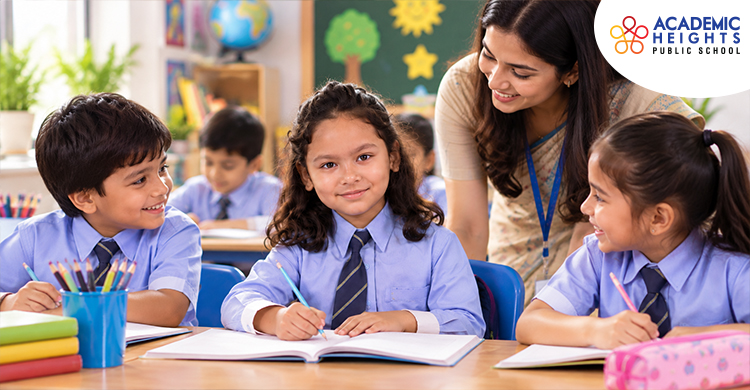
Moving from kindergarten to grade 1 brings significant shifts in your child’s daily environment. Understanding these changes helps smooth the overall transition to Class 1 for your child.
A More Structured School Routine
Unlike kindergarten’s play-based setup, Class 1 introduces formal timetables, fixed subjects, and longer focus periods. Understanding how to build a routine before Class 1 helps children adapt quickly. Gradually introduce structured learning windows at home so your child feels comfortable sitting, focusing, and following an organised daily timetable without feeling overwhelmed.
Greater Independence and Responsibility
Students must manage their personal belongings, open lunchboxes, and organise books independently. Knowing how to develop independence before Class 1 allows your child to feel empowered. Encouraging self-reliance with simple daily tasks builds the crucial Class 1 readiness skills needed for managing classroom expectations with ease and self-assurance.
New Teachers, Classmates, and Expectations
Entering primary school brings new authority figures, larger peer groups, and higher expectations. Therefore, learning how to help your child adjust to Class 1 can help them stay relaxed and comfortable. To begin with, talk about new teachers warmly and encourage your child to practise simple social greetings. Additionally, explain how to make friends and communicate with classmates. As a result, these small steps can support complete school readiness for Class 1.
Prepare Your Child for Class 1 With a Strong Daily Routine
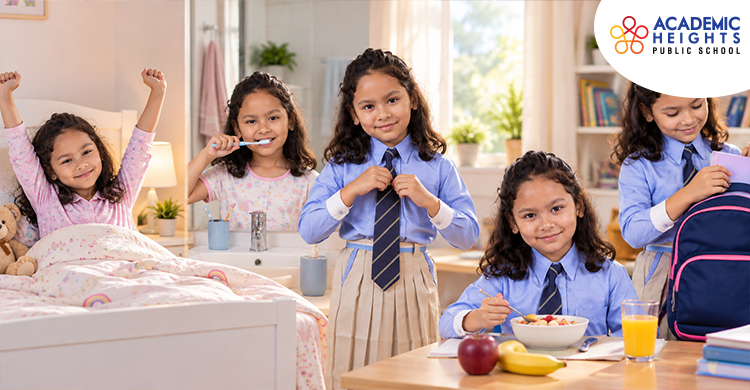
Establishing consistent habits beforehand eliminates chaos when school begins. A few consistent habits before the big day can turn chaotic mornings into calm ones-here’s where to start. Tips for parents before their child starts Class 1 set the foundation for stress-free mornings.
Set a Consistent Sleep Schedule
A well-rested child learns better and feels less anxious. Establishing healthy sleep habits early ensures your child wakes up refreshed. Adjust bedtime two weeks early, ensuring 9 to 10 hours of solid rest so your child wakes up refreshed, less cranky, and excited for the first day of Class 1.
Practice the School Morning Routine
Rehearse morning steps early to avoid a rush. For example, learning how to prepare your child for Class 1 can involve running mock school mornings—waking up on time, getting dressed, and eating breakfast. In this way, this predictable habit builds confidence, reduces morning anxiety, and makes the actual transition to Class 1 more seamless.
Set Time for Study, Play, and Rest
Balance is vital for healthy growth. Therefore, maintain a balanced daily schedule with focused study time, unstructured outdoor play, and relaxing downtime. At the same time, this balance ensures complete child preparation for Class 1 without causing burnout or exhaustion.
Reduce Excessive Screen Time
Excessive screen exposure harms attention spans needed for structured classrooms. Understanding how to prepare a child for primary school means limiting digital screens gradually. Replace digital screen hours with drawing, reading, and physical play to build concentration—a key step when preparing kids for primary school.
Prepare Your Child for Class 1 Academically
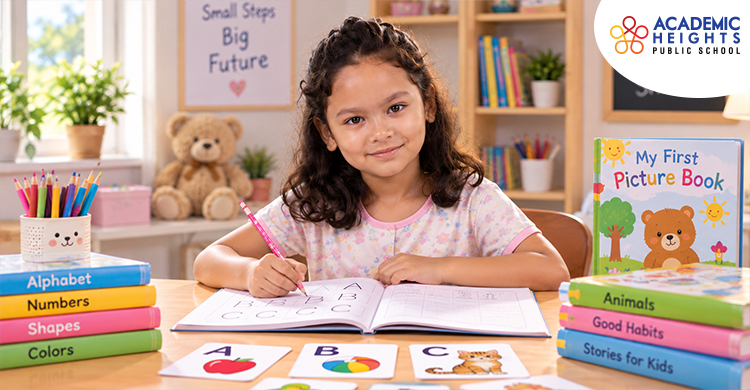
Academic readiness builds initial confidence in the classroom. Knowing how to prepare your child academically for Class 1 keeps early learning enjoyable, pressure-free, and inspiring.
Strengthen Reading and Writing Skills
Focus on simple phonics, sight words, and hand grip strength. Utilizing effective Class 1 reading tips, like reading stories together daily, expands vocabulary. Wondering what should a child know before Class 1? Recognizing basic sight words, simple sentence structures, and writing their own name independently is ideal.
Revise Basic Numbers and Math’s Concepts
Understanding early math concepts prevents future anxiety. When considering what skills does a child need before Class 1, basic counting, shape identification, and simple addition concepts top the list. Revisit single-digit numbers and simple patterns through playful counting games to build strong math foundational confidence effortlessly.
Encourage Learning Through Everyday Activities
Turn everyday moments into valuable learning opportunities. For instance, discover how to prepare kids for primary school by counting groceries, reading street signs, or measuring baking ingredients together. In addition, these simple activities show how to prepare your child for Class 1 naturally, while keeping learning enjoyable and avoiding tedious worksheets.
Avoid Putting Too Much Academic Pressure
Keep learning light and positive to nurture curiosity. Knowing how to prepare your child academically for Class 1 means prioritizing progress over perfection. Avoid heavy homework sessions; instead, offer warm encouragement, ensuring your child views learning as an exciting, satisfying adventure rather than a stressful burden.
Develop Independence and Self-Care Skills
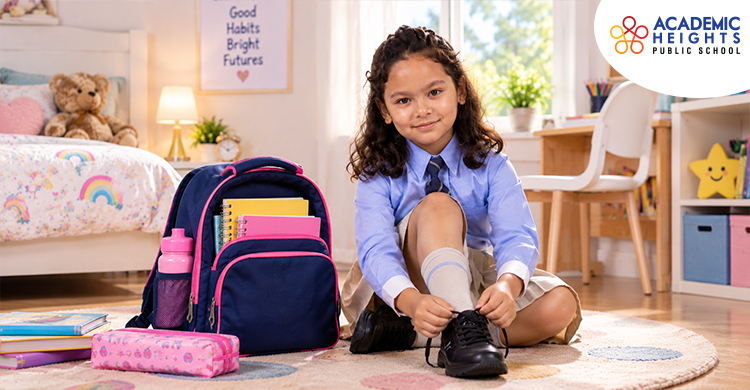
Self-help skills foster deep confidence in young learners. Independence is one of the biggest shifts Class 1 asks for; discovering how to help your child feel confident in Class 1 requires nurturing daily independence and self-reliance skills. These simple activities can help you Prepare Your Child for Class 1 while developing confidence and self-reliance.
Teach Your Child to Manage Personal Belongings
Classrooms require kids to track their own items. Properly preparing your child for Class 1 includes helping them keep track of their own shoes, pencil cases, and water bottles, so your child feels comfortable managing them at school. Teaching proper child preparation for Class 1 ensures items stay safe and builds practical life responsibility early on.
Encourage Independent Eating and Personal Care
Give your child opportunities to eat independently, use the washroom appropriately, wash their hands, manage their shoes, and take care of basic personal needs. They do not need to do everything perfectly. What matters is that they become comfortable trying on their own. Encourage them calmly and step in only when necessary.
Teach Your Child to Ask for Help when Needed
Independence does not mean doing everything alone. Children should know that asking for help is a positive and sensible choice. Teach your child simple ways to communicate when they are confused, uncomfortable, unable to find something, or unsure about an instruction. This skill can be especially valuable during the transition to Class 1.
Practice Following Simple Instructions
Give your child short, clear instructions such as “put your books away” or “keep your shoes on the rack.” Gradually introduce two-step instructions. This can strengthen listening and attention while making everyday routines easier. Avoid giving too many instructions at once, and praise your child when they listen carefully and complete the task.
Help Your Child Feel Confident and Ready
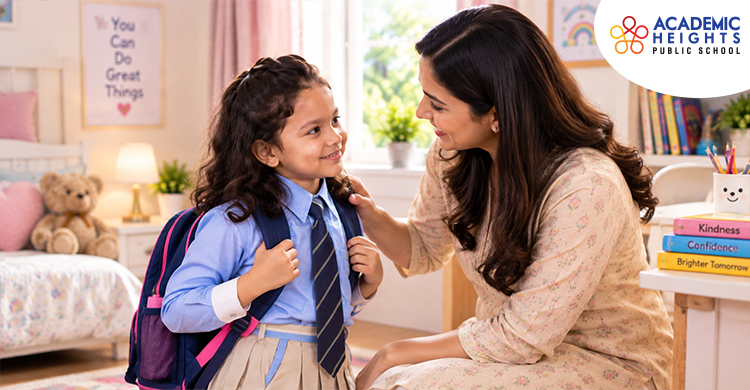
Confidence matters just as much as academics, and it starts with emotional support at home. Emotional support is just as important as academic readiness. Learning how to prepare your child emotionally for Class 1 ensures a safe, happy transition.
Talk Positively About Class 1
Talk about school as a place where your child will learn, play, meet friends, ask questions, and discover new things. At the same time, avoid using school as a threat or making statements that could create unnecessary fear. Instead, have positive conversations that can help your child build a healthy expectation about the new experience.
Encourage Your Child to Share Their Feelings
Listen patiently to all worries, as validation matters. In particular, knowing how to prepare your child emotionally for Class 1 involves having open conversations where they can express their anxieties freely. Moreover, calm conversations and a safe space can help children understand and manage their new emotions. As a result, they can gradually develop a healthy and positive expectation about their new school experience.
Address Fears About the New Class
Your child may worry about making friends, meeting a new teacher, finding the classroom, or being away from parents. Take these concerns seriously and respond with simple reassurance. Discuss common fears gently and explain that mistakes are natural learning steps, making the transition to Class 1 easier for your child.
Build Confidence Through Small Responsibilities
Give your child small responsibilities at home, such as arranging books, watering plants, choosing clothes, or helping set the table. Completing these tasks gives children a sense of capability. Giving small daily tasks builds pride, responsibility, and independence-key elements of preparing kids for primary school.
Prepare for the First Day of Class 1
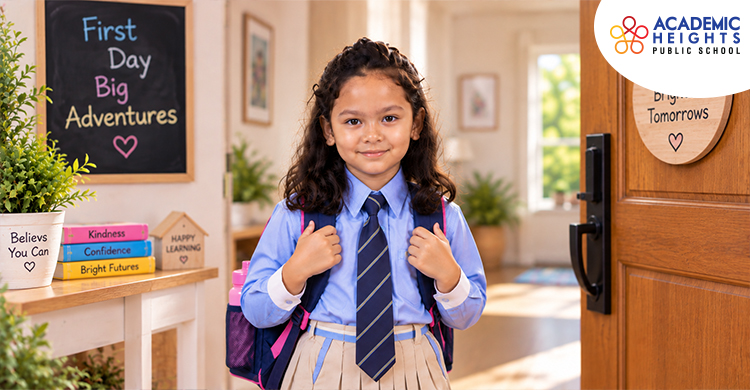
The final countdown requires practical, hands-on organization. Taking these steps helps parents Prepare Your Child for Class 1 without creating unnecessary stress.
Visit the School and Explore the Campus
If possible, visit the school before the first day. Show your child the entrance, classroom area, activity spaces, and other familiar locations. Let them ask questions and talk about what they see. Becoming familiar with the surroundings can make the transition to Class 1 feel much easier.
Get Uniforms and School Supplies Ready
Keep the uniform, shoes, books, stationery, water bottle, lunch box, and other essentials ready in advance. Let your child participate in simple preparations. Trying the uniform and opening the school bag beforehand can help identify anything that feels uncomfortable. It also avoids unnecessary rushing on the morning of the first day of Class 1.
Pack the School Bag Together
Make packing an engaging evening routine. Knowing what a child should know before Class 1 includes knowing where every book and snack sits in their bag. Packing together builds organizational habits and represents essential child preparation for Class 1. This simple habit is a natural part of building independence before Class 1.
Keep the First Morning Calm and Simple
Avoid rushing or chaotic goodbyes on day one. Keep the morning cheerful and avoid introducing new rules or lengthy instructions. A warm goodbye is often better than prolonging separation. Remind your child that you will see them after school and that they are ready to enjoy their new experience.
How Parents Can Make the Transition Easier
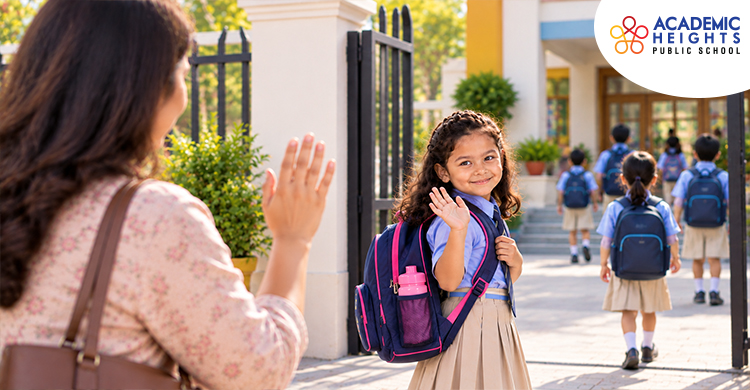
Parental mindset deeply influences how children handle big milestones. Implementing these practical Class 1 preparation tips for parents keeps the household calm and supportive. A supportive approach can help you Prepare Your Child for Class 1 emotionally and socially.
Don’t Compare Your Child With Others
Every child learns and grows at their unique pace. One child may read confidently while another may be stronger at numbers, communication, creativity, or physical activities. Avoid comparing your child with siblings, classmates, or neighbours. Instead, focus on their individual progress and create a supportive environment.
Celebrate Effort, Not Just Results
Praise your child for trying, practising, listening, asking questions, and continuing after making a mistake. Saying “You worked hard on that” can be more meaningful than focusing only on getting the right answer. This encourages a positive attitude towards learning and supports the wider goal of how to make your child ready for Class 1.
Stay Connected With the Teacher
Right Teachers can provide valuable insight into how your child is settling into the classroom. Stay open to communication and share relevant observations about your child’s habits or concerns. A positive parent-teacher relationship helps adults work together in the child’s best interest and helps your child adjust to Class 1 more smoothly.
Give Your Child Time to Adjust
Some children settle into Class 1 immediately, while others need more time. Changes in routine, friendships, expectations, and classroom learning can take a while to feel familiar. Be patient and continue offering reassurance. With consistent support, most children gradually become more comfortable and confident in their new environment.
Conclusion
Knowing how to prepare your child for Class 1 is less about teaching everything in advance and more about building the right foundation. A consistent routine, basic academic practice, independence, communication, and emotional support can help children approach school with confidence. Parents can make the journey easier by focusing on progress rather than perfection and by giving children time to adjust. With the right preparation, Class 1 can become an exciting beginning to a new stage of learning, friendships, discovery, and growth.
Frequently Asked Questions
To Prepare Your Child for Class 1, build a consistent routine, practise basic reading and maths, and encourage independence. A balanced approach to preparing your child for Class 1 supports academic, emotional, social, and self-care development.
Children should follow simple instructions, recognise letters and numbers, write their name, manage belongings, and express basic needs. These Class 1 readiness skills help children settle confidently into school.
Learning how to make the transition to Class 1 easier involves visiting the school campus beforehand, practicing school routines early, avoiding pressure, and staying supportive throughout the transition to Class 1.
There is no need to teach the entire syllabus beforehand. Focus on foundational learning through stories, counting games, writing practice, and everyday activities to build School Readiness for Class 1.
Give your child regular opportunities to manage personal belongings, eat independently, dress appropriately, and organise their school bag. Encourage them to try before offering help. These daily habits help parents Prepare Your Child for Class 1 and encourage greater independence.
Listen patiently, acknowledge their feelings, and talk positively about school. Visiting the campus and practising routines beforehand can also help. These steps support emotional preparation for Class 1 and ease nervousness.