The world is evolving faster than any syllabus can keep up with. Jobs that barely existed a decade ago have now emerged as the next best future careers for students. Almost every profession is now being elevated thanks to the use of technology and generative artificial intelligence. Data science, cybersecurity and biotechnology in particular have risen as the high-demand jobs of the future. Understanding the future careers students should prepare for today can help them make informed academic choices and build relevant skills early.
Why Should Students Start Preparing for Future Careers Today?
Career readiness is not built overnight. Therefore, exploring skills for future careers early helps students build confidence, adapt to new challenges and prepare for evolving job opportunities future Careers for Students.
Changing Job Opportunities and Industry Demands
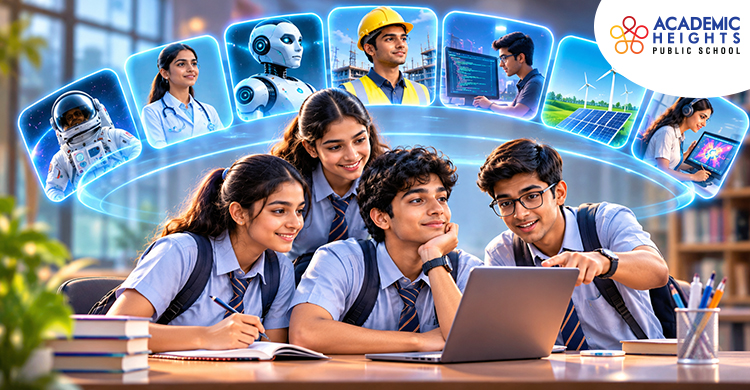
Industries are evolving quickly. Sectors such as healthcare technology, renewable energy and digital services are creating new future careers for students. Employers increasingly look for candidates who have the capacity for critical thinking, adapting to change and working comfortably with technological innovations rather than relying on a single qualification.
Impact of Technology on Future Careers
AI, robotics and data tools are changing how almost every profession works. Doctors use digital diagnostics and designers use AI assistants. Understanding how technology is changing career opportunities is essential for future careers for students, so digital literacy has become a crucial skill for every student.
Importance of Early Career Planning
Early career planning for students can help them choose subjects wisely, discover strengths and avoid last-minute pressure after the board exams. Exploring future career options gives students a glimpse of the market and helps them develop career readiness and vocational skills that will stay useful for a lifetime.
Why Traditional Career Choices Are Expanding
Medicine, engineering and law remain respected paths, but each now has newer branches. Engineering includes robotics and renewable energy; medicine includes biotechnology and health technology; law includes intellectual property and cyber laws. Careers today have blended foundational careers with emerging trends to create new and amazing opportunities for students.
10 Future Careers Students Should Know About
Here are ten of the best emerging career opportunities for students. Moreover, each is among the high-demand careers in the future that students can start preparing for now.
Artificial Intelligence and Machine Learning Specialist
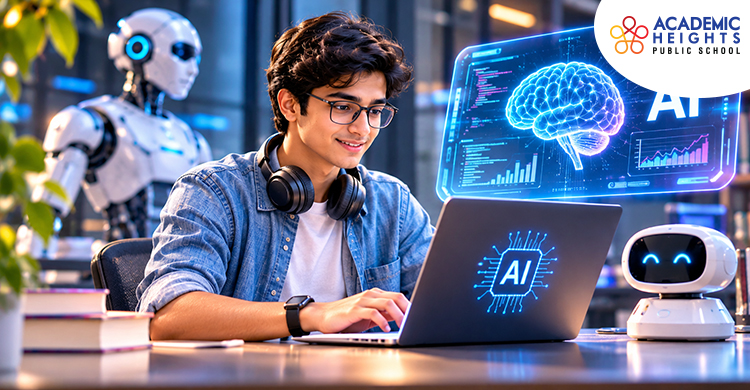
Artificial Intelligence has emerged as a field of systems that learn from data, powering tools such as voice assistants, recommendation engines and medical imaging software. A strong base in mathematics, statistics and programming is important. Demand and dependency for artificial intelligence skills is rising across each and every field of work, making this one of the most promising emerging careers for students.
Data Scientist and Data Analyst
very organisation collects data but someone must turn it into decisions. Data science combines statistics, coding and problem-solving. Analysts work in sports, retail, finance and public policy. Students who enjoy numbers, logic and storytelling with charts often thrive in this field. In recent years, it has become one of the most popular choices for students.
Cybersecurity Specialist
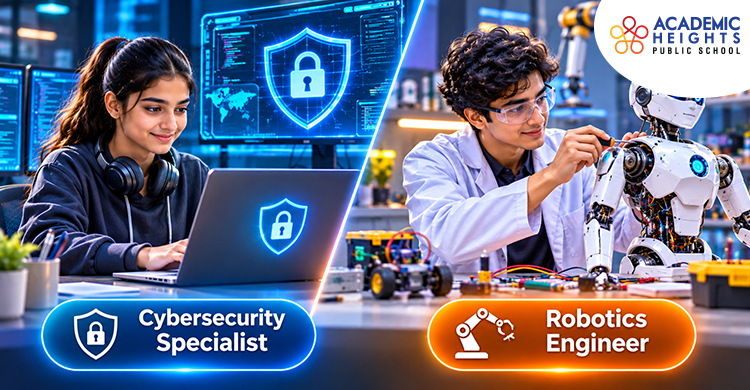
As more of life moves online, protecting systems, payments and personal information has become more critical. Cybersecurity specialists detect threats, fix weaknesses and respond to attacks. The field needs both technical skill and careful, ethical thinking. Shortages of trained professionals worldwide make it a dependable choice among future job opportunities.
Robotics Engineer
Robotics engineers design machines that assist in factories, hospitals, warehouses and even farms. Furthermore, the role blends mechanical engineering, electronics and programming. As a result, it is an opportunity to learn interdisciplinary skills. Students curious about how things move and think can begin with school robotics clubs and kits. Moreover, growth in automation ensures steady demand for skilled people with fast adaptability.
Renewable Energy Engineer
Countries are investing heavily in solar, wind and hydro energy. As a result, renewable energy is a major source of future jobs. Engineers in this field design, install and improve clean power systems. Additionally, it suits students who like physics and want meaningful work tied to sustainable development and the fight against climate change.
Biotechnology Researcher
Biotechnology uses living systems to create medicines, crops and materials. Furthermore, researchers work on vaccines, gene therapies and food production for sustainable development. The path usually requires strong biology and chemistry, followed by specialised degrees. Therefore, for students fascinated by life sciences, biotechnology offers a chance to solve real problems in health and agriculture. Moreover, it is considered among the best future careers of the modern world.
Healthcare Technology Specialist
Healthcare technology joins medicine with software, devices and data. For instance, specialists develop telemedicine platforms, wearable monitors and digital patient records. The sector is expanding rapidly as populations age and access to care becomes a priority. Additionally, students from science, engineering or management backgrounds can find a place here. Therefore, healthcare technology is among the high-demand careers for the next 10 years.
Digital Marketing Specialist
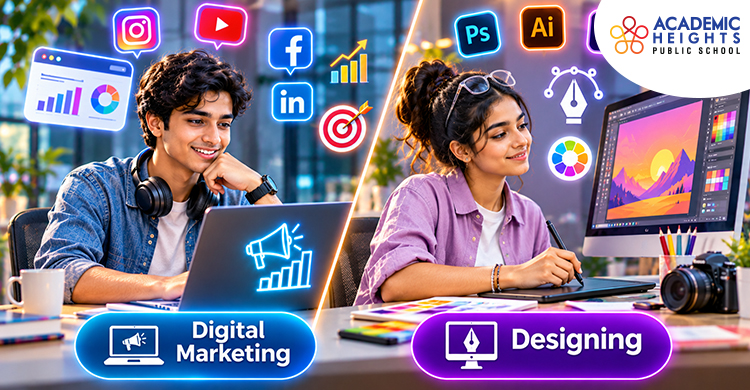
Digital marketing is a prominent future career for students. It covers search optimisation, social media, content, email and analytics. It rewards creativity as much as data skills, and beginners can learn through free courses and personal projects. And, it is one of the most accessible careers among the creative industries.
UX/UI Designer
User experience (UX) and user interface (UI) designers make apps and websites easy and enjoyable to use. They research user needs, sketch layouts and test prototypes. The work combines empathy, visual sense and problem-solving. Students who love art and technology equally can build a portfolio early and grow in this field.
Environmental Scientist
Environmental scientists study pollution, biodiversity and climate. Additionally, they advise governments and companies on sustainable development practices. Fieldwork, laboratory research and policy analysis are all part of the role. As a result, as sustainable living becomes central to business and public life, environmental science is emerging as one of the high-demand careers in the future.
Essential Skills Students Need for Future Careers
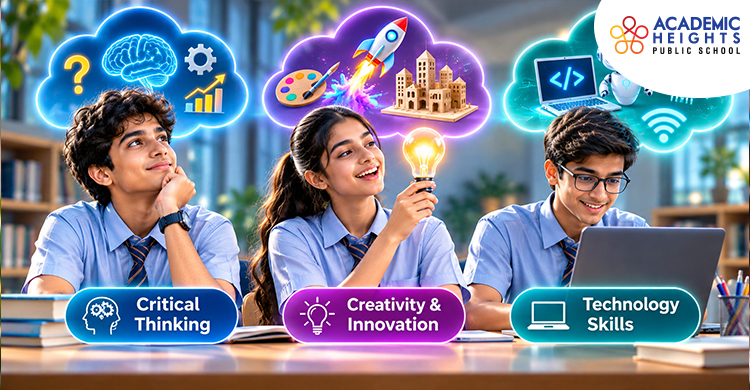
Preparing for future careers for students requires a mix of hard and soft skills, with digital literacy becoming essential for every learner. These skills ultimately shape success in life.
Critical Thinking and Problem-Solving
Employers value people who can question information, weigh evidence and find workable solutions. Critical thinking and problem-solving help you separate facts from noise especially in an age of content generated by artificial intelligence. Students can build this skill through debates, puzzles, science projects and by asking why before accepting any answer.
Communication and Collaboration
Ideas have little impact if they cannot be explained clearly. Therefore, strong communication skills, teamwork and leadership are all skills that can make a positive impact on how students can prepare for future careers. Additionally, group projects, presentations and school clubs are excellent places to practise listening and working with different personalities.
Creativity and Innovation
Creativity is an essential skill for future careers. In fact, it is not just limited to art; it appears in better experiments, smarter business ideas and fresh designs. As machines handle routine tasks, original thinking becomes more valuable. Therefore, students can nurture it by trying new hobbies, building small projects and treating mistakes as a responsibility and part of the learning process.
Digital Literacy and Technology Skills
Digital literacy is a prominent skill students need for future jobs. This includes using productivity tools, understanding online safety, working with data and knowing what AI can and cannot do. Students do not need to master everything, but regular practice with new tools builds confidence for any future career.
Adaptability and Emotional Intelligence
Adaptability means learning quickly and staying calm under change, while emotional intelligence means understanding your own feelings and those of others, which supports teamwork and leadership. Both can be developed through regular reflection, constructive feedback and stepping outside your comfort zone, and both are crucial soft skills for future careers.
How Students Can Prepare for Future Careers While in School
Students need not wait to go to college to prepare for future job opportunities. Small, consistent actions during school years can build strong career readiness and help them understand what they enjoy.
Explore Different Career Options and Interests
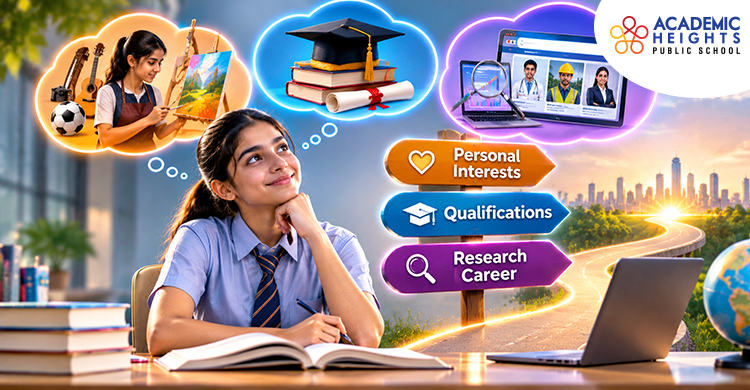
Start by learning what different professions actually involve. For instance, explore future career options for students, read about careers, watch interviews, attend career fairs and talk to professionals. Additionally, keep a notebook of subjects and activities that excite you. This exploration helps you move from vague ideas to future career options after class 12th.
Build Strong Foundations in Core Subjects
Maths, science, social studies and languages are the core of the emerging career opportunities for students. Even creative industries like designing and marketing rely on reasoning and clear, concise writing. Focus on understanding concepts rather than memorising, because deep foundations make advanced learning, entrance exams and interdisciplinary learning much easier later.
Participate in Projects and Practical Activities
Hands-on experience shows what theory cannot. Joining science exhibitions, coding clubs, debate teams and art workshops can provide you with a memorable experience. Participation in various events can often lead to students improving their communication skills and learning teamwork. Participating in various projects also teaches problem-solving and persistence.
Learn Through Online Courses and Resources
Online platforms make it possible to study subjects not offered in school. Beginner courses in coding, design, data science or digital marketing can reveal hidden interests. Set small goals, such as one module a week, and apply what you learn in a personal project to make it stick.
Develop Communication and Leadership Skills
You should take the opportunity to lead in every small situation, whether it’s becoming captain of the cricket team or helping a junior with their studies. Practise public speaking and writing regularly. These experiences build confidence and show maturity, qualities that universities and employers notice. Leadership and communication skills are an important part of future career options for students.
How Parents and Schools Can Guide Students Towards Future Careers
Students make better decisions when they are supported rather than pressured. Parents, teachers and counsellors play a central role in helping explore future careers for students with confidence.
Encourage Career Exploration and Self-Discovery
Invite conversations about what the student enjoys and what topic they feel strongly about. Encourage them to try new activities and explore best future careers by speaking to people in different professions. Self-discovery plays an important role in career planning for students, giving them ownership of their choices, stronger motivation and fewer regrets.
Provide Career Counselling and Guidance
Professional career counselling helps students explore career options after school through aptitude assessments, subject guidance and information about college courses. Schools should make counsellors accessible from middle school, helping students discover ‘emerging careers for students’ and understand different pathways before reaching Class 11 or 12.
Promote Experiential and Project-Based Learning
Learning by doing builds understanding and curiosity. Schools can offer labs, internships and field visits while parents can support hobby projects at home. Experiential learning helps students explore themselves in a low-risk way while developing skills for future careers, including practical and vocational skills alongside academic knowledge.
Support Skill Development Beyond Academics
Marks and exams matter but they are only part of the picture. Encourage activities that build communication skills, creativity, teamwork and digital literacy such as sports, arts, volunteering and coding. These experiences strengthen career readiness and help students develop the abilities needed for future careers for students.
How to Choose the Right Future Career
Choosing a career path can feel overwhelming, so we have broken career planning for students into simple steps. This approach helps students explore their interests and evaluate future career options for students.
Identify Personal Interests and Strengths
Be honest with yourself. What subject do you prefer? Which tasks make time pass quickly? Ask teachers and friends what they see as your strengths. Aptitude tests can help, but treat them as guides. As part of career planning for students, consider where your interests, abilities and available opportunities meet to make an informed career choice.
Understand the Required Subjects and Qualifications
Every profession has an academic route. Engineering needs mathematics and physics; medicine needs biology and chemistry. Understanding subject requirements and degree options is an important step in knowing how to choose the right career as a student. Research entrance exams and academic pathways early to prepare for high-demand careers in the future.
Research Career Opportunities and Growth
When researching the best future careers, understand what the job entails, study what the work involves daily, which skills are needed, how salaries and demand are expected to grow, and what career progression looks like. Use reliable sources such as industry reports, university websites and professionals’ own accounts. Good research protects you from following trends that fade quickly and helps you make informed decisions about future careers for students.
Gain Practical Exposure Before Making a Decision
Explore a career before committing to it. Attend professional workshops, volunteer or take up a short internship or online project. These experiences help students evaluate future career options for students to confirm their interests and avoid career mismatches. Practical exposure also builds skills for future careers and strengthens college applications while also giving students real experiences to discuss.
Common Career Planning Mistakes Students Should Avoid
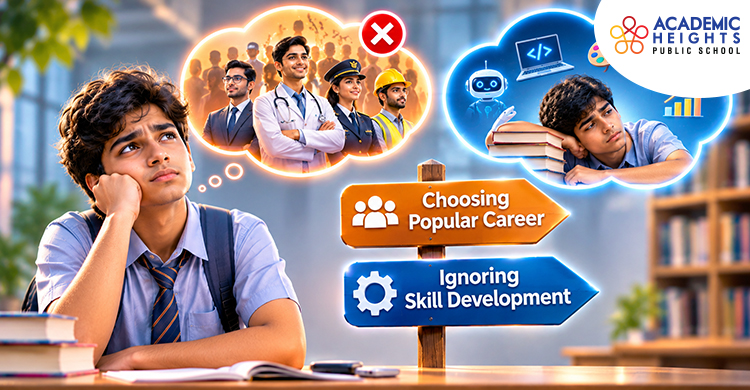
Even the most motivated students can slip into unhelpful habits due to overthinking. The important things to remember when browsing through the best career options after school are to not panic and to avoid the following mistakes.
Choosing a Career Only Because It Is Popular
A trending course may attract huge crowds but popularity does not guarantee satisfaction or job opportunities. As part of career planning for students, research the best future careers based on your interests, abilities and long-term goals rather than simply following the crowd. Demand can shift and competition can be intense. Choose a field where you can see yourself thriving.
Following Others Without Understanding Personal Interests
Friends, relatives and social media can influence your decisions strongly. Advice is helpful but your choices about your career should be your own. Take time to learn what the work involves and whether it fits your personality. Choices made with genuine interest usually lead to better performance and happiness in future careers for students.
Ignoring Skill Development
Nowadays, a degree is not enough. Students who neglect communication skills, digital and problem-solving skills will struggle in every field. Treat learning as continuous. Set aside time each week to build one new skill, because steady practice often matters more than last-minute effort.
Focusing Only on Salary and Job Opportunities
Pay and job availability are important but not the whole story. A high-paying job you dislike can lead to burnout while a meaningful field can offer growth and satisfaction over time. When exploring future career options for students, always balance income potential with personal interests, values and lifestyle to choose the best future job opportunities in future careers for students.
Frequently Asked Questions
Q1. What are the best future careers for students?
The right choice depends on your interests, strengths and the subjects you enjoy and understand. Some of the best future Careers for Students now include artificial intelligence and machine learning, data science, cybersecurity, robotics, renewable energy, biotechnology, healthcare technology, digital marketing, UX/UI design and environmental science.
Q2. Which careers will be in demand in the future?
High-demand careers for the next 10 years are expected to be in technology, healthcare, clean energy and sustainability, along with creative and digital fields. Roles that combine technical knowledge with problem-solving and communication skills are likely to stay valuable as industries change.
Q3. What skills should students develop for future careers?
Students should develop crucial life skills like problem-solving and communication skills. Creativity, adaptability and digital literacy are also important. These skills are applicable across all career paths as they help people learn new tools and understand the roles better as the job market evolves.
Q4. Which career options are related to artificial intelligence?
Artificial intelligence-related careers include machine learning engineer, data scientist, AI researcher, robotics engineer, natural language processing specialist and AI ethics or policy analyst. Many other fields, such as healthcare and marketing, also use AI tools.
Q5. When should students start planning their careers?
Career planning for students can begin in middle school with exploration and interest-building. By Class 9 or 10 they can start learning about subject options and by Class 11 and 12 they can narrow choices and research courses and entrance exams.
Conclusion
There is no single answer to what makes the best future careers for students. The right path depends on the students’ interests, abilities, and skills. Students who stay curious, keep learning and develop adaptability are better prepared for changing opportunities. By exploring career options early and building essential skills, they can turn uncertainty into confidence. Remember career planning is a journey not a one-time decision.